

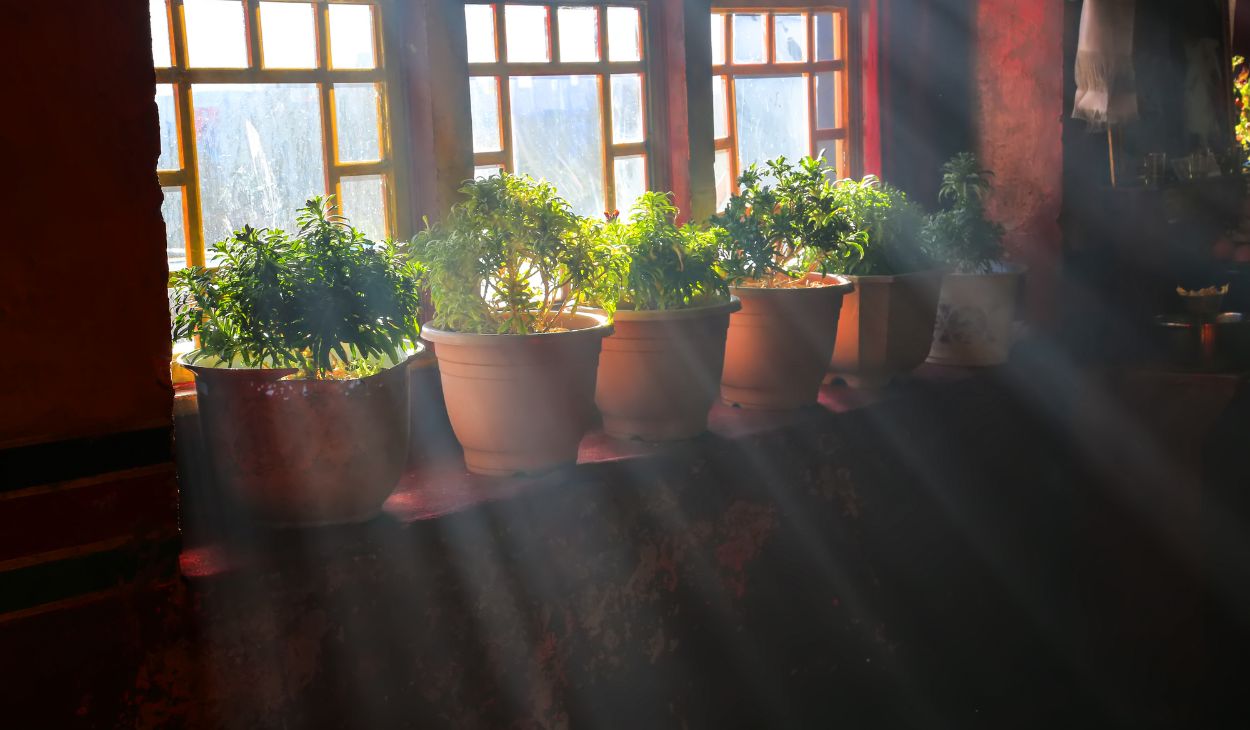
If you have a window that floods your room with bright, unfiltered light for several hours a day, you have the perfect setup for direct sun houseplants. Many popular houseplants actually struggle in these conditions, scorching or fading under intense rays, but there is a whole category of greenery built for exactly this kind of exposure. Choosing the right direct sun houseplants means you can finally put that sunny windowsill to good use instead of avoiding it. This guide walks you through what direct sun really means, which plants love it, and how to keep them thriving.
What Does “Direct Sun” Really Mean for Houseplants?
Direct sun refers to light that hits a plant’s leaves without being filtered by curtains, blinds, or other obstacles, typically for four or more hours a day. South- and west-facing windows are usually the strongest sources of this kind of light indoors. Understanding this distinction matters because many plants labeled “sun-loving” actually prefer bright indirect light instead. Direct sun houseplants are specifically adapted to handle this intensity, often through thicker leaves, waxy coatings, or reduced leaf surface area that helps them conserve moisture.
Benefits of Growing Direct Sun Houseplants
Sunny spots in a home are often underused simply because people assume no plant can survive there, but that is far from true. Direct sun houseplants can turn a harsh, bright corner into one of the most productive and visually striking areas of your home.
- Faster growth rates – Ample light fuels photosynthesis, helping many direct sun houseplants grow noticeably quicker than shade-tolerant varieties.
- Bolder blooms and colors – Strong light often intensifies leaf variegation and encourages more vibrant flowering in sun-loving species.
- Lower humidity needs – Many direct sun houseplants, like succulents and cacti, are naturally drought-tolerant and forgiving of drier indoor air.
- Reduced pest issues – Bright, airy conditions tend to be less hospitable to common houseplant pests like fungus gnats and spider mites.
Best Direct Sun Houseplants to Grow
Not every plant can handle hours of unfiltered sunlight, but plenty thrive on it and even depend on it to look their best. Below are some reliable direct sun houseplants worth adding to your collection.
- Jade Plant – A classic succulent that develops thicker, glossier leaves the more sun it receives.
- Aloe Vera – Loves bright, direct light and rewards you with soothing gel-filled leaves and occasional blooms.
- Croton – Its fiery orange, red, and yellow foliage becomes far more vivid in strong sunlight.
- Bougainvillea – A vigorous bloomer that needs several hours of direct sun daily to flower prolifically.
- Cactus varieties – From barrel cacti to bunny ears, most cacti are quintessential direct sun houseplants built for intense light.
- Ponytail Palm – Handles bright, direct exposure well and stores water in its bulbous base for resilience.
How to Care for Direct Sun Houseplants
Caring for direct sun houseplants is a little different from caring for typical shade-loving greenery, since heat and evaporation play a bigger role. Getting the basics right will keep your plants healthy rather than stressed.
- Water deeply but less often – Direct sun accelerates soil drying, so check moisture levels rather than sticking to a fixed schedule.
- Use well-draining soil – A gritty, fast-draining mix prevents roots from sitting in water that heats up under strong light.
- Rotate the pot regularly – Turning your direct sun houseplants every week or two encourages even, balanced growth.
- Watch for heat stress – On extremely hot days, a sheer curtain can soften intense afternoon rays without blocking essential light.
Common Mistakes to Avoid
Even experienced plant owners sometimes misjudge how to handle bright light, leading to avoidable setbacks. One frequent mistake is moving a plant from a shaded spot straight into full sun, which can shock and scorch leaves that haven’t adjusted gradually. Another is assuming that because a plant tolerates direct sun, it needs no water at all, when in reality most direct sun houseplants still need consistent, if less frequent, hydration. Finally, using the wrong pot material, like dark plastic that traps heat, can cause roots to overheat in sunny conditions.
Signs Your Plant Is Getting Too Much Sun
Even sun-loving species have limits, and it helps to recognize early warning signs before real damage sets in. Catching these symptoms early can save your direct sun houseplants from long-term stress.
- Bleached or white patches – This usually indicates sunburn on leaves that were exposed too suddenly or intensely.
- Crispy, brown leaf edges – A sign the plant is losing moisture faster than its roots can replace it.
- Wilting despite moist soil – This points to heat stress rather than a watering problem.
- Stunted or curled new growth – Often a defensive response to reduce surface area exposed to harsh light.
Conclusion
Sunny windows don’t have to go to waste, and with the right selection of direct sun houseplants, they can become the most rewarding part of your indoor garden. From sculptural cacti to vividly colored crotons, there is a huge range of options suited to bright, unfiltered light. The key is matching the right species to your space and adjusting your watering and care routine to match the intensity of the sun. With a bit of attention, direct sun houseplants can flourish where other plants simply can’t.
FAQs about direct sun houseplants
Can any houseplant survive in direct sun?
No, only certain species adapted to intense light, like succulents, cacti, and croton, truly thrive as direct sun houseplants.
How many hours of direct sun do these plants need?
Most direct sun houseplants need at least four to six hours of unfiltered sunlight daily to grow well.
Do direct sun houseplants need more water?
Generally yes, since heat and light increase soil evaporation, though many sun-loving species are still drought-tolerant.
Can I move a shade plant into direct sun?
You should only do this gradually over several weeks to avoid shocking or scorching the leaves.
What is the easiest direct sun houseplant for beginners?
Jade plant and aloe vera are both excellent, low-maintenance choices for beginners exploring direct sun houseplants.