

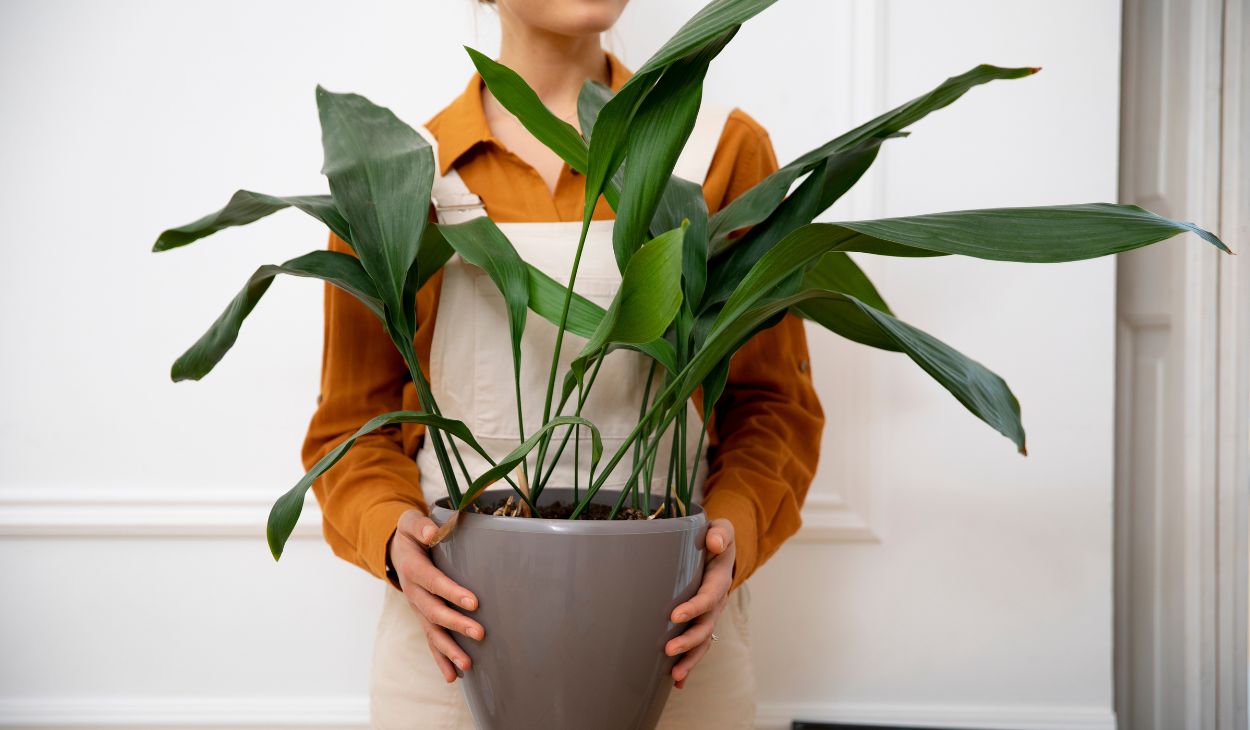
If you’re searching for a low-maintenance yet strikingly beautiful addition to your indoor jungle, the dracaena house plant deserves a spot on your shortlist. Known for its architectural leaves, air-purifying qualities, and forgiving nature, this plant has become a favorite among beginners and seasoned plant parents alike. Whether you place it in a sunlit corner or a dim office cubicle, a dracaena house plant adapts beautifully to a variety of indoor conditions.
What Is a Dracaena House Plant?
The dracaena house plant belongs to a genus of over 120 species of trees and shrubs native to Africa, Asia, and parts of Central America. Indoors, it’s prized for its long, arching leaves that come in shades of green, yellow, and deep burgundy depending on the variety. It grows slowly, which means less frequent repotting and pruning compared to fast-growing houseplants. Because of its striking silhouette, the dracaena house plant is often used as a statement piece in living rooms, offices, and hallways.
Popular Varieties of Dracaena
Not all dracaena plants look alike, and part of the fun of choosing a dracaena house plant is exploring its many varieties. Each type brings its own leaf shape, color pattern, and growth habit to the table, so there’s likely one that fits your space perfectly.
- Dracaena Marginata (Dragon Tree): Features thin, spiky leaves with red edges and a twisting trunk that adds visual interest.
- Dracaena Fragrans (Corn Plant): Named for its broad, corn-stalk-like leaves, this variety often has a yellow or cream stripe down the center.
- Dracaena Warneckii: Displays striped silver-green leaves that brighten up darker rooms beautifully.
- Dracaena Compacta: A compact, rosette-forming variety that works well on desks and small tables.
- Dracaena Lemon Lime: Known for its vibrant lime-green and yellow striped foliage that adds a pop of color indoors.
Benefits of Growing a Dracaena Indoors
Beyond its good looks, the dracaena house plant offers several practical advantages that make it worth the investment. It’s widely recognized for improving indoor air quality by filtering out common household toxins like formaldehyde and benzene. This plant also thrives in low to medium light, making it ideal for apartments or offices without abundant natural sunlight. Additionally, its slow growth rate and drought tolerance mean it requires minimal upkeep, making it a great choice for busy individuals or those new to plant care.
How to Care for a Dracaena House Plant
Light Requirements
A dracaena house plant grows best in bright, indirect light, though it can tolerate lower light conditions surprisingly well. Direct sunlight should be avoided, as it can scorch the leaves and cause brown, crispy edges. If your dracaena is placed too far from any light source, you may notice slower growth and duller leaf coloration. Rotating the plant occasionally ensures even growth on all sides.
Watering Needs
One of the biggest mistakes new plant owners make with a dracaena house plant is overwatering. This plant prefers to dry out slightly between waterings, so it’s best to check the top inch or two of soil before reaching for the watering can. Dracaenas are also sensitive to fluoride and chlorine, so using filtered or distilled water can help prevent leaf tip browning. During winter months, reduce watering frequency since the plant’s growth naturally slows down.
Soil and Potting
Well-draining soil is essential for keeping a dracaena house plant healthy and free from root rot. A standard potting mix combined with perlite or sand creates the ideal balance of moisture retention and drainage. Choose a pot with drainage holes to prevent water from pooling at the roots. Repotting is only necessary every couple of years, as dracaenas generally prefer being slightly root-bound.
Temperature and Humidity
Dracaenas thrive in typical indoor temperatures ranging between 65 and 80 degrees Fahrenheit, making them well-suited to most homes. Avoid placing your dracaena house plant near drafty windows, air conditioning vents, or heating units, as sudden temperature swings can stress the plant. While it can tolerate average household humidity, occasional misting or a nearby humidifier can boost its overall vitality. Consistency in temperature is more important than achieving perfectly high humidity levels.
Fertilizing Tips
Feeding your dracaena house plant doesn’t need to be complicated, as it’s a relatively light feeder compared to other houseplants. A balanced, water-soluble fertilizer applied once a month during the growing season, from spring through summer, is usually sufficient. Avoid fertilizing during fall and winter when the plant’s growth slows considerably. Over-fertilizing can lead to salt buildup in the soil, which may cause leaf tip burn over time.
Common Problems and How to Solve Them
Even a resilient dracaena house plant can run into a few issues, especially if care routines slip. Recognizing the early signs of trouble makes it much easier to nurse your plant back to health before problems escalate.
- Brown Leaf Tips: Usually caused by fluoride-rich tap water or low humidity, this can be fixed by switching to filtered water.
- Yellowing Leaves: Often a sign of overwatering, so allow the soil to dry out more between waterings.
- Drooping Leaves: Typically linked to underwatering or extreme temperature changes in the room.
- Pest Infestations: Spider mites and mealybugs can appear occasionally and are best treated with neem oil or insecticidal soap.
- Leggy Growth: Indicates insufficient light, so consider relocating the plant closer to a bright window.
Tips for Long-Term Dracaena Care
Keeping your dracaena house plant healthy for the long haul comes down to consistency rather than complexity. Wipe the leaves periodically with a damp cloth to remove dust and allow the plant to photosynthesize efficiently. Trim any yellow or brown leaves at the base to keep the plant looking tidy and encourage new growth. With patience and a steady care routine, a dracaena house plant can live for well over a decade, growing taller and fuller each year.
Conclusion
The dracaena house plant is a fantastic choice for anyone looking to add greenery to their home without a demanding care schedule. With its striking foliage, air-purifying benefits, and adaptability to different lighting conditions, it’s easy to see why this plant remains a household favorite. By following the care tips outlined above, you can enjoy a thriving, vibrant dracaena house plant for many years to come. Whether you’re a first-time plant owner or a seasoned collector, this resilient beauty is sure to bring lasting charm to any indoor space.
FAQ’s about dracaena house plant
Is a dracaena house plant toxic to pets?
Yes, dracaena plants are toxic to cats and dogs if ingested, so they should be kept out of reach of curious pets.
How often should I water my dracaena house plant?
Water your dracaena house plant only when the top one to two inches of soil feel dry, typically every one to two weeks.
Can a dracaena house plant survive in low light?
Yes, a dracaena house plant can tolerate low light conditions, though growth will be slower and less vibrant than in bright, indirect light.
Why are the leaf tips on my dracaena turning brown?
Brown leaf tips are commonly caused by fluoride in tap water, low humidity, or inconsistent watering habits.
How tall can a dracaena house plant grow indoors?
Indoors, a dracaena house plant can grow anywhere from three to ten feet tall depending on the variety and growing conditions.