
Houseplanting has arich history spanning over 3,000 years, with early indoor gardening believed to have begun in ancient Greece, where women grew herbs indoors for the Festival of Adonis. From the grand Orangeries of the Renaissance to the invention of the Wardian case in 1830, humanity’s love for cultivating plants indoors has only deepened over time. Botanical expeditions and global trade expanded the variety of species available, many of which remain popular houseplants today. Indoor plants depend entirely on you for everything they need — and once you understand what they require, growing them successfully becomes a genuinely rewarding experience.
Understanding Tropical Plants
Most houseplants originate from tropical and subtropical regions — warm, humid environments that are very different from the average home or office. Understanding your plant’s native habitat is the first step toward giving it the right care, since those origins directly shape its needs for light, water, and temperature. Tropical regions experience seasons defined by rainfall rather than temperature, alternating between wet and dry periods. Matching those native conditions as closely as possible indoors is the foundation of successful houseplanting.
Benefits of Indoor Plants
Bringing plants indoors goes far beyond decoration — they genuinely improve the quality of life for the people living and working around them. Indoor plants reduce building pollutants by cycling air through their systems, naturally cleaning the air you breathe every day. Studies have consistently shown that people near green spaces report greater happiness, reduced stress, and improved overall well,being. Whether placed in a cozy home corner or a busy office, houseplants create a calming atmosphere that is hard to replicate with anything else.
Success With Indoor Plants
No two indoor plant species are exactly the same, which is what makes houseplanting such a dynamic and rewarding pursuit — there is truly a plant for every corner of your home. The secret to long,term success lies in selecting plants that match the specific light, humidity, and temperature conditions of the spaces where you plan to place them. Many factors influence individual plant care needs, and understanding those factors helps you avoid the most common mistakes that lead to poor plant health. Once you get the basics right, most houseplants are surprisingly resilient and forgiving.
Light
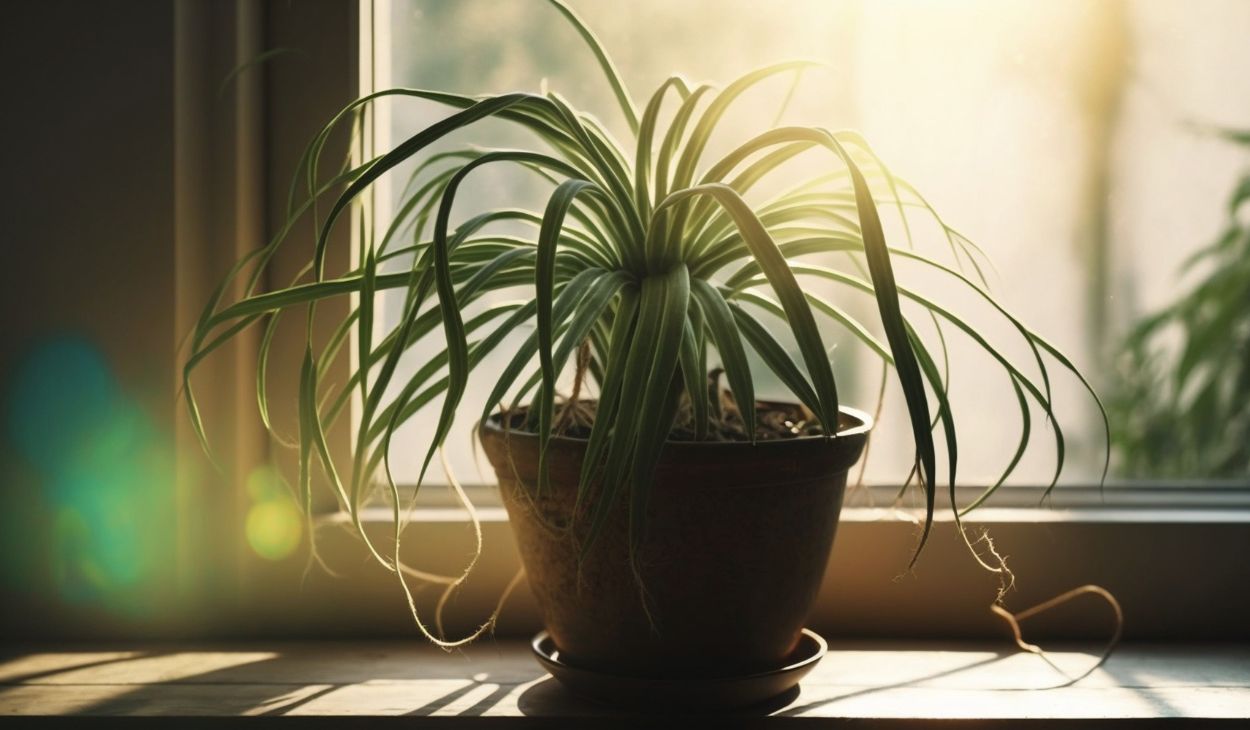
Light is the single most important factor in growing healthy houseplants, as plants rely on photosynthesis to convert light energy into food for survival and growth. Different plants are adapted to thrive in vastly different light conditions, so always match your plant to the natural light available in your space. Here is a quick breakdown of common light categories:
- Low,light plants: Ideal for north,facing windows — Philodendrons, Pothos, Sansevierias, Ferns, Aglaonemas, ZZ plants, and Spathiphyllums.
- Medium,light plants: Best for filtered light through sheer curtains — Spider plants, Ficus, Begonias, Peperomias, Palms, Dracaenas, Anthuriums, and Phalaenopsis.
- High,light plants: Thriving in full sun from a south,facing window — Cacti, succulents, citrus, Aloes, and most flowering plants.
Watch for warning signs like faded foliage, brown dry edges, or leggy stretching, and rotate your plants regularly to ensure even light exposure on all sides.
Water
Water is the second most critical factor in houseplant care, and ironically, most indoor plants die not from thirst but from overwatering. Rather than following a fixed schedule, poke your finger into the top inch or two of the potting mix — if it feels dry, it is time to water, with the exception of cacti and succulents, which prefer longer dry periods. When you water, soak the soil thoroughly and allow excess to drain freely through drainage holes to prevent root rot. Always use room,temperature water, and if your tap water is heavily chlorinated, let it sit for at least 24 hours before using it on your plants.
Humidity
Most tropical houseplants thrive in relative humidity levels between 40% and 80%, far higher than the 15% humidity commonly found in homes during winter. To raise humidity, run a portable humidifier nearby, place pots on pebble,filled trays with water, or mist leaves occasionally — avoiding plants with hairy leaves like African Violets. Popular varieties like Pothos, Philodendron, and Arrowhead vine particularly benefit from elevated humidity levels throughout the year. Keep all houseplants away from heater vents and drafty windows, as dry moving air quickly stresses and damages foliage.
Soil Mix and Repotting
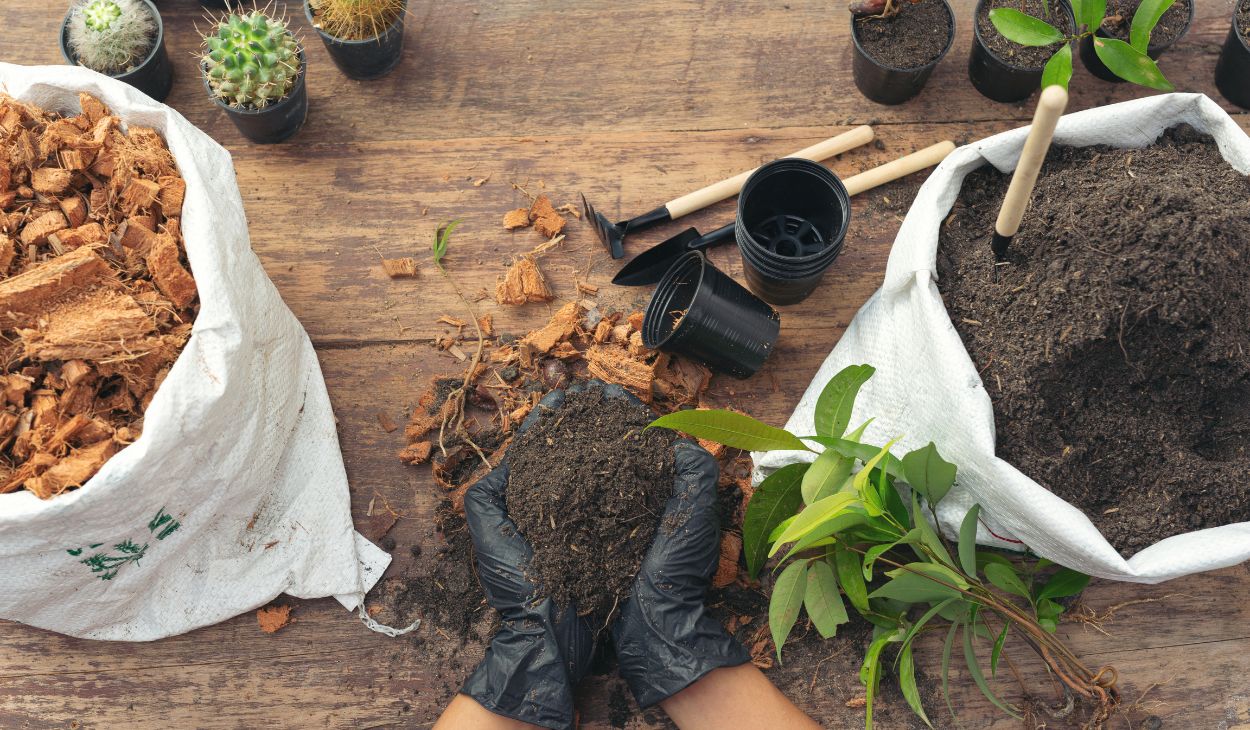
Soil Mix
Choosing the right potting soil directly affects your plant’s root health, moisture retention, and overall vitality from the very start. Most tropical houseplants do well in a standard indoor potting mix, while cacti and succulents need a fast,draining blend to replicate their dry native environments. You can customize an all,purpose mix by adding perlite, sand, or orchid bark to suit each plant’s specific drainage and aeration needs. Specialty mixes for orchids, succulents, and other plant types are widely available at any nursery or garden center.
Repotting
Repotting is essential for keeping your plants growing vigorously as they outgrow their containers over time. Clear signs that a plant needs repotting include roots poking out of drainage holes or water running straight through the pot without being absorbed by the soil. Spring is the ideal time to repot — always choose a new pot no more than 1 to 2 inches larger in diameter to avoid excess moisture retention that leads to root rot. If the roots have circled tightly inside the old pot, make shallow half,inch cuts down the sides of the rootball to encourage them to spread into the fresh soil.
Fertilizer
Fertilizing is essential because potting soils do not naturally contain all the nutrients plants need to sustain healthy growth over time. Feed your plants with liquid fertilizer once a month during active growth from March through October, increasing to every two weeks during peak summer months. In late fall and winter, most houseplants enter a semi,dormant state and should not be fertilized, as unused nutrients build up as salts and can burn roots. If you suspect overfertilization, flush the soil thoroughly with fresh water or repot the plant in fresh soil to give it a clean, healthy start.
Pests and Diseases
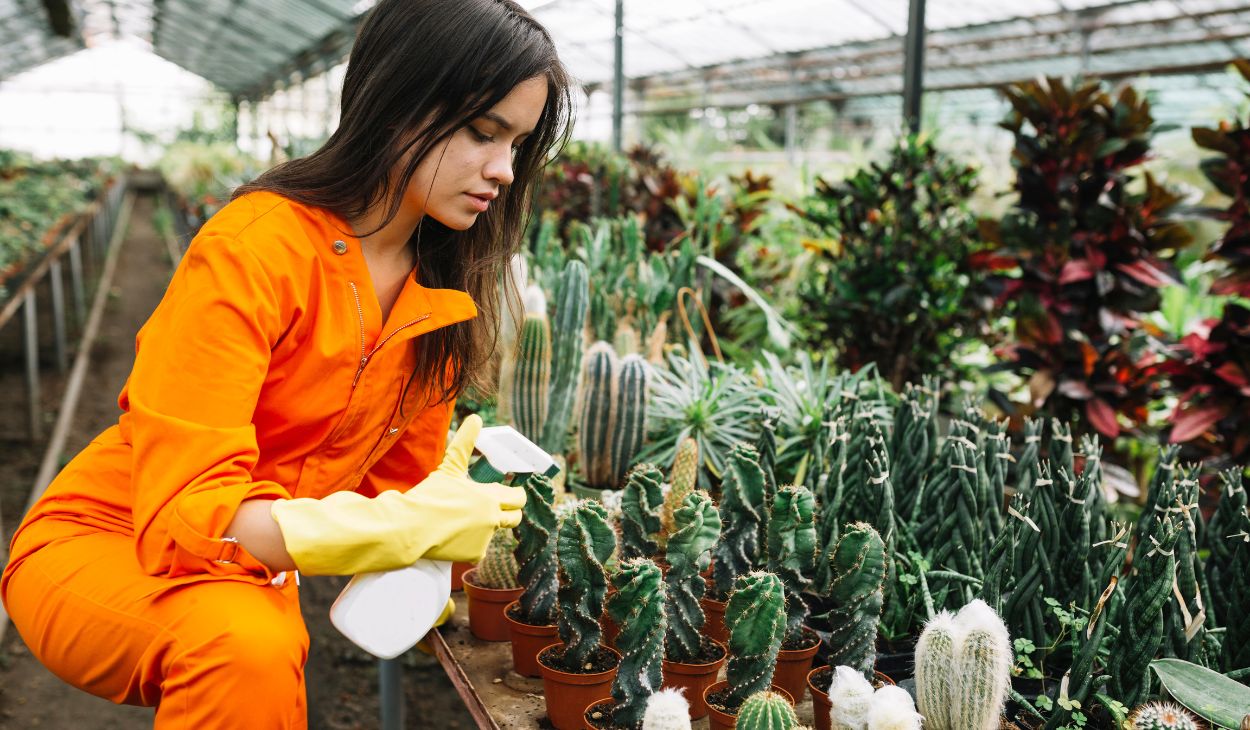
Pests
Indoor plants are just as vulnerable to pest infestations as outdoor plants, and catching problems early is critical to preventing serious damage. The most common houseplant pests include aphids, mealybugs, whiteflies, spider mites, scale, and thrips — the latter being especially problematic on flowering plants. Insecticidal soaps and horticultural oils are effective treatments and should be reapplied weekly until the infestation is fully resolved. Always quarantine new plants for a few days before introducing them to your existing collection, as pests commonly hitch rides on newly purchased plants.
Diseases
Disease prevention is far more effective than treatment, because once a disease takes hold, it is nearly impossible to fully eliminate. The best defense is consistently following proper growing practices — right light, appropriate watering, adequate humidity, suitable soil, and balanced fertilization. At the first sign of a diseased leaf or stem, remove it immediately to prevent the problem from spreading to healthy plants nearby. A healthy, well,maintained plant is simply far less susceptible to disease than one already stressed by poor growing conditions.
Keep the Leaves Clean
Dust accumulating on leaves blocks sunlight, inhibits photosynthesis, and clogs the tiny pores plants use to breathe, gradually weakening them over time. Wipe leaves regularly with a damp cloth or sponge, or give plants a gentle rinse with room,temperature water to keep foliage clean and functional. For fuzzy,leaved plants like African Violets, use a small soft,bristled paintbrush instead of water to gently sweep away dust without damage. Regular leaf cleaning also disrupts spider mites and other small insects that tend to hide on the undersides of leaves.
Prune as Needed
Pruning helps maintain shape, encourages fuller growth, and removes spent, yellowing, or diseased foliage before it drains energy from the rest of the plant. Always use sharp hand pruners and snip just above a leaf node at a 45,degree angle to prevent moisture pooling on the cut surface. Follow the one,third rule — never remove more than one,third of the plant at once, as cutting back too aggressively can send the plant into shock. Cuttings from many houseplants can be used to propagate new plants for free, just check for ® or ™ symbols on the plant tag first.
Move Plants With the Seasons
As seasons change, so does the quality and quantity of natural light available indoors, and adjusting plant positions accordingly keeps them thriving year,round. During shorter winter days, move light,hungry plants like succulents and cacti closer to south,facing windows or supplement with grow lights for a few hours daily. Most houseplants are resilient enough to handle relocation periodically, though sensitive varieties like the fiddle,leaf fig prefer to stay in one spot once settled. In summer, watch for intense direct sun through glass, which can scorch foliage even on sun,loving varieties.
Embrace Technology
Modern technology has made houseplanting easier and more precise than ever, especially for those new to indoor gardening. A 4,in,1 plant meter measures soil moisture, nutrient levels, sunlight intensity, and soil pH — giving you real,time data that removes much of the guesswork from plant care. Even a basic soil moisture meter alone is a worthwhile investment, as it helps prevent overwatering, the single most common cause of poor houseplant health. Pairing good observational skills with reliable technology gives you the best of both worlds and sets you up for consistent success.
Choose Your Houseplants Wisely
With more houseplant varieties available today than ever before, selecting the right plants for your specific space and lifestyle is one of the most important decisions you will make. Rather than choosing plants purely for visual appeal, consider where each plant will live, how much natural light that spot receives, and how much care you can realistically commit to. If you are a busy person, seek out hardy, low,maintenance varieties that tolerate a little neglect without suffering. Always purchase from a reputable garden center or nursery, and when buying online, choose vendors who guarantee plant health and offer replacements for damaged arrivals.
Conclusion
Houseplanting is one of the most accessible, rewarding, and life,enriching hobbies you can take up, regardless of your experience level or the size of your living space. From understanding your plant’s tropical origins and getting the light and water balance right, to repotting, pruning, and protecting against pests, every aspect of plant care becomes intuitive with a little practice and patience. The key takeaway is simple — observe your plants, respond to their needs, and create growing conditions that mimic their natural habitat as closely as possible. Whether you are nurturing a single succulent on a windowsill or building a full indoor jungle, the rewards of houseplanting — cleaner air, greater well,being, and a more beautiful home — are well worth every effort.
FAQs about Houseplanting
Q: How often should I water my houseplants?
A: Water your houseplants when the top inch or two of soil feels dry to the touch, rather than following a fixed schedule.
Q: What is the best soil for indoor plants?
A: Most houseplants thrive in a high,quality standard indoor potting mix, while cacti and succulents require a fast,draining specialty blend.
Q: How do I know if my houseplant is getting enough light?
A: If your plant develops faded foliage, brown dry edges, or begins stretching toward the light source, it is a clear sign its light needs are not being met.
Q: Why are the leaves on my houseplant turning yellow?
A: Yellow leaves are most commonly caused by overwatering, poor drainage, or insufficient light, all of which stress the plant and disrupt healthy growth.
Q: How often should I fertilize my indoor plants?
A: Fertilize most houseplants once a month with liquid fertilizer during active growth from spring through summer, and avoid fertilizing during fall and winter.