

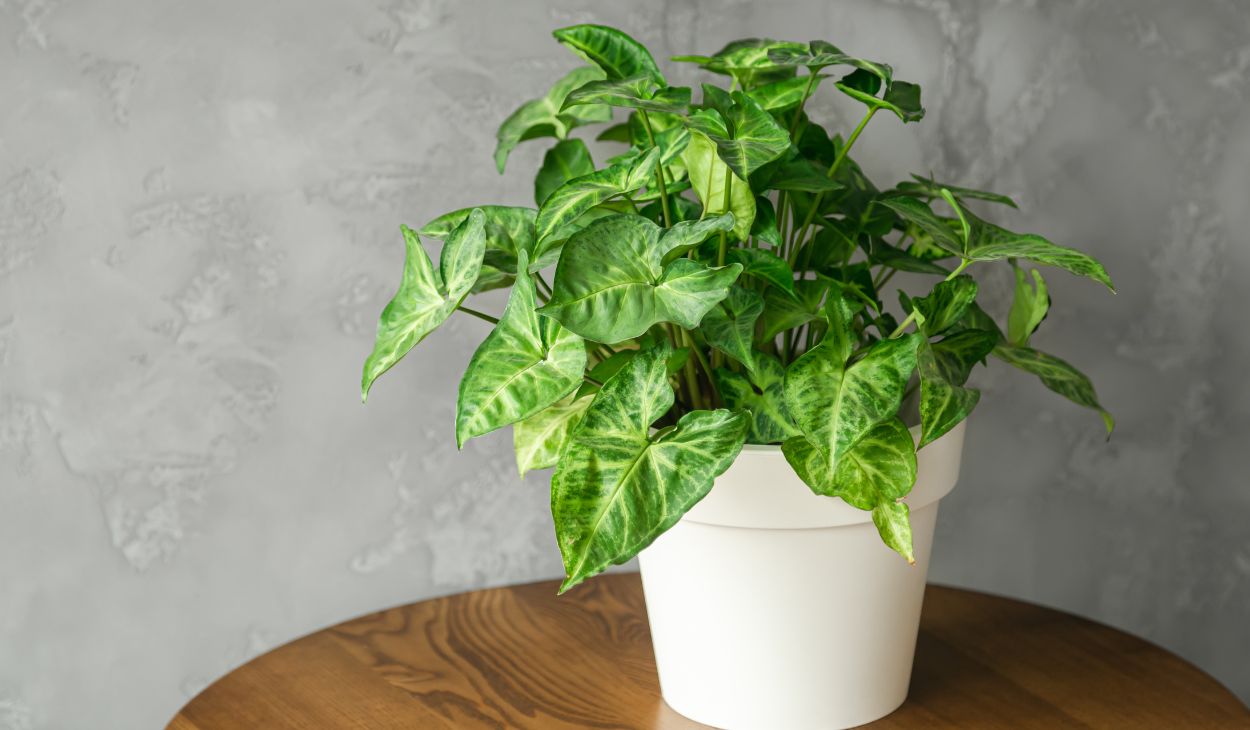
If you have ever walked into a home or office and noticed trailing green vines cascading from a shelf or hanging basket, chances are you were looking at a pothos plant. Loved by beginners and seasoned plant parents alike, the pothos plant has earned its reputation as one of the most forgiving and rewarding houseplants around. It thrives in a wide range of conditions, requires minimal maintenance, and still manages to look stunning in almost any setting. This guide walks you through everything you need to know about growing, caring for, and enjoying this beloved houseplant.
What Is a Pothos Plant?
The pothos plant, scientifically known as Epipremnum aureum, is a tropical vine native to the Solomon Islands but now grown all over the world as an ornamental houseplant. It is often called “devil’s ivy” because of its remarkable ability to stay green and thrive even in low light or when neglected for extended periods. The pothos plant features heart-shaped leaves that can be solid green or splashed with variegation in shades of yellow, white, or cream. Its versatility and hardiness make it a favorite choice for both novice gardeners and experienced plant enthusiasts.
Popular Types of Pothos Plant
While all varieties share the same easygoing nature, different types of pothos plant bring their own unique colors and patterns to the table. Choosing the right variety can help you match the plant to your home’s lighting and decor style.
- Golden Pothos: Features classic green leaves with yellow marbling and is one of the most widely available varieties.
- Marble Queen Pothos: Known for its striking white and green variegation, though it grows slightly slower due to less chlorophyll.
- Neon Pothos: Stands out with vibrant, lime-green leaves that brighten up any space.
- Jade Pothos: Offers solid deep green leaves for a more understated, elegant look.
- Pearls and Jade Pothos: A compact variety with white, green, and gray speckled foliage.
Benefits of Growing Pothos Plant
Beyond its good looks, the pothos plant offers a surprising number of practical benefits for your living space. It is widely recognized for its air-purifying qualities, helping to filter out common household toxins like formaldehyde and benzene. This plant also thrives in low-light environments, making it ideal for offices, bathrooms, or apartments with limited sunlight. Because it is so easy to grow, the pothos plant is a confidence-building choice for anyone new to indoor gardening.
How to Care for a Pothos Plant
Caring for a pothos plant is refreshingly simple, but understanding its basic needs will help it grow lush and healthy for years to come. Below are the key factors to keep in mind when tending to your plant.
Light Requirements
The pothos plant is remarkably adaptable when it comes to lighting, thriving in everything from bright indirect light to dim corners of a room. However, it grows fastest and produces the most vibrant variegation when placed near a window that receives filtered sunlight. Direct, harsh sunlight should be avoided, as it can scorch the leaves and cause discoloration. If you notice your pothos plant’s leaves losing their pattern and turning solid green, it is likely a sign that it needs more light.
Watering Needs
One of the biggest mistakes new plant owners make is overwatering their pothos plant, which can quickly lead to root rot. The best approach is to let the top inch or two of soil dry out completely before watering again. Depending on your home’s humidity and temperature, this typically means watering once every one to two weeks. Always check the soil with your finger rather than following a strict schedule, since the plant’s needs can shift with the seasons.
Soil and Potting
A well-draining potting mix is essential for keeping a pothos plant healthy, as it prevents water from pooling around the roots. A standard indoor potting soil mixed with perlite works well to improve drainage and aeration. Make sure the pot you choose has drainage holes at the bottom to allow excess water to escape freely. Repotting is only necessary every one to two years, or once you notice roots growing out of the drainage holes.
Temperature and Humidity
The pothos plant prefers temperatures between 65 and 85 degrees Fahrenheit, making it well-suited to typical indoor environments. It can tolerate average household humidity levels without much fuss, which is part of what makes it so low-maintenance. That said, it will appreciate an occasional misting or a spot near a humidifier during dry winter months. Avoid placing your plant near cold drafts, air conditioning vents, or heating units, as sudden temperature changes can stress it.
Fertilizing
While a pothos plant can survive without regular feeding, a light fertilizing schedule will encourage fuller, faster growth. A balanced, water-soluble houseplant fertilizer applied once a month during spring and summer is usually sufficient. It is best to skip fertilizing during the fall and winter months when the plant’s growth naturally slows down. Always dilute the fertilizer to half strength to avoid burning the roots of this otherwise resilient plant.
How to Propagate Pothos Plant
Propagating a pothos plant is one of the easiest ways to expand your collection or share cuttings with friends and family. Simply snip a stem below a node, place it in a glass of water, and roots will typically begin to appear within one to two weeks. Once the roots reach about an inch or two in length, you can transfer the cutting into potting soil. This simple process makes the pothos plant a popular choice for plant swaps and budget-friendly home decorating.
Common Pothos Plant Problems and Solutions
Even a plant as resilient as the pothos can occasionally run into trouble, but most issues are easy to diagnose and fix. Recognizing the warning signs early will help you keep your plant thriving year-round.
- Yellow leaves: Usually a sign of overwatering, so allow the soil to dry out more between waterings.
- Brown, crispy leaf tips: Often caused by low humidity or too much direct sunlight exposure.
- Leggy, sparse growth: Typically results from insufficient light, so consider moving your pothos plant closer to a window.
- Pest infestations: Mealybugs and spider mites can occasionally appear and should be treated with insecticidal soap.
- Root rot: Caused by soggy soil and poor drainage, requiring a repot into fresh, well-draining soil.
Pothos Plant Toxicity and Pet Safety
While the pothos plant is celebrated for its beauty and ease of care, it is important to note that it is toxic to both humans and animals if ingested. The plant contains calcium oxalate crystals, which can cause mouth irritation, swelling, and digestive discomfort. Pet owners with curious cats or dogs should place their pothos plant out of reach or opt for hanging baskets to minimize risk. If ingestion does occur, it is best to contact a veterinarian or poison control center right away for guidance.
Tips for Styling Pothos Plant in Your Home
Thanks to its trailing vines and adaptable nature, the pothos plant can be styled in numerous creative ways throughout your living space. A few thoughtful placement choices can elevate your home’s aesthetic while keeping the plant happy and healthy.
- Hanging baskets: Allow the vines to cascade freely, creating a lush, jungle-like effect.
- Shelf displays: Let the trailing leaves drape naturally over bookshelves or cabinets.
- Climbing supports: Use a moss pole or trellis to encourage upward growth and larger leaves.
- Bathroom or kitchen accents: Take advantage of the plant’s tolerance for humidity and lower light.
- Office desks: Choose a compact variety to add a touch of greenery to your workspace.
Conclusion
The pothos plant truly lives up to its reputation as one of the easiest and most rewarding houseplants you can grow. With minimal care, it rewards you with lush, trailing foliage that adapts beautifully to nearly any room in your home. Whether you are a first-time plant owner or a seasoned collector, the pothos plant offers an accessible way to bring more greenery and life into your space. Give it a little light, occasional water, and some patience, and your pothos plant will thrive for years to come.
FAQ’s about pothos plant
How often should I water my pothos plant?
Water your pothos plant once the top inch or two of soil feels completely dry to the touch.
Can a pothos plant survive in low light?
Yes, a pothos plant can survive in low light, though it will grow more slowly and show less variegation.
Is the pothos plant safe for cats and dogs?
No, the pothos plant is toxic to pets and should be kept out of their reach.
How fast does a pothos plant grow?
Under good conditions, a pothos plant can grow several feet per year, with vines reaching considerable lengths.
Do I need to mist my pothos plant?
Misting is not required, but it can help a pothos plant during especially dry indoor conditions.
Can I grow a pothos plant in water permanently?
Yes, a pothos plant can live indefinitely in water as long as the water is changed regularly.