

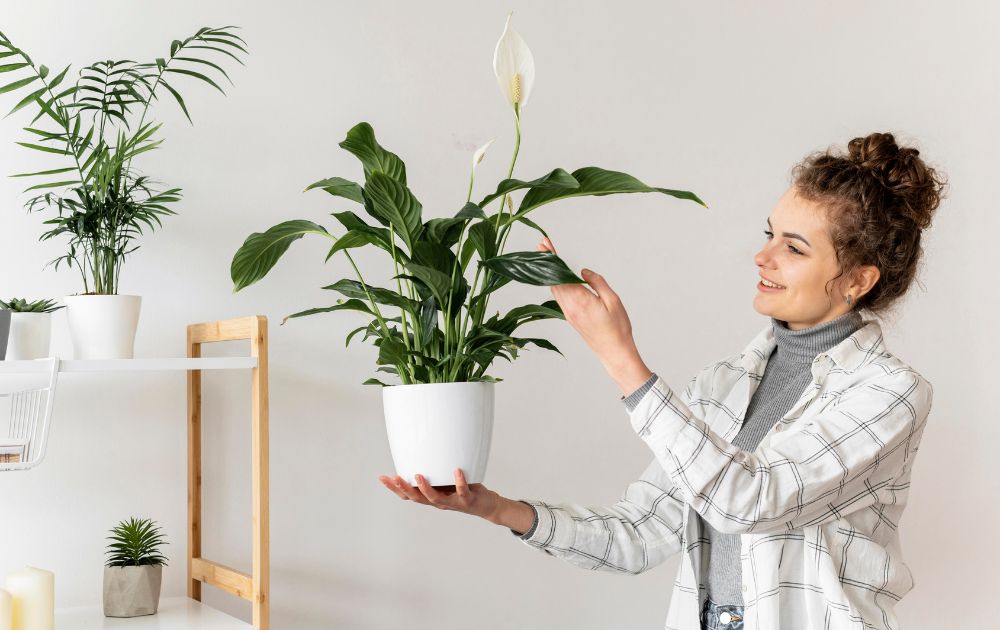
Indoor plants have become a popular part of modern home décor, and air purifying plants are especially appealing to people who want to bring more greenery into their homes. From bedrooms and living rooms to offices and kitchens, a few healthy plants can completely change the look and feeling of a space. They add natural color, soften hard interiors, and can make a room feel more comfortable and welcoming. Although plants should not be treated as a replacement for proper ventilation or air-cleaning equipment, they can still be a beautiful and useful part of a healthy indoor environment.
What Are Air Purifying Plants?
Air purifying plants are indoor plants that are commonly associated with improving the freshness and overall atmosphere of indoor spaces. Popular varieties include snake plants, spider plants, pothos, peace lilies, rubber plants, and Chinese evergreen. These plants are often chosen because they can be attractive, adaptable, and suitable for different types of indoor environments. Their ability to grow indoors makes them especially appealing to people who want to add natural elements without maintaining an outdoor garden.
Are Air Purifying Plants So Popular
The popularity of indoor plants comes from more than their possible relationship with air quality. Plants add life to rooms that may otherwise contain mostly furniture, electronics, glass, and manufactured materials. A green plant beside a sofa, on a bookshelf, or near a window can make an interior feel warmer almost instantly. This natural touch can also work with many decorating styles, from minimalist and modern spaces to traditional and rustic homes.
How Do Air Purifying Plants Work?
Plants naturally exchange gases with their surroundings through processes associated with photosynthesis and respiration. Their leaves, roots, and growing medium can also interact with substances present in their environment. Scientific research has investigated whether indoor vegetation can reduce concentrations of certain volatile organic compounds under controlled conditions. A 2020 systematic review examining indoor vegetation found experimental evidence involving pollutants such as formaldehyde, benzene, and toluene.
Best Air Purifying Plants for Indoor Spaces
The best air purifying plants can add natural beauty and a refreshing touch to indoor spaces. Popular choices include snake plants, spider plants, pothos, peace lilies, and rubber plants. Each plant has different light and watering needs, so choose one that suits your room. With proper care, these plants can make your home feel greener, calmer, and more inviting.
What Are the Benefits of Air Purifying Plants?
The biggest advantage of indoor plants may not be their ability to remove pollutants but their ability to improve the overall character of a room.
Some practical benefits include:
- Natural decoration: Plants add color and texture to indoor spaces.
- A calming atmosphere: Greenery can make a room feel softer and more welcoming.
- Flexible styling: Small pots, hanging baskets, and large floor plants suit different interiors.
- A rewarding hobby: Plant care can become an enjoyable routine.
- Connection with nature: Indoor greenery can bring a natural element into urban environments.
Where Should You Place Air Purifying Plants?
Plant placement is one of the most important factors in successful indoor gardening. Before placing a plant in a particular corner, consider how much natural light reaches that location throughout the day. Some plants prefer bright indirect light, while others can tolerate lower-light conditions. A beautiful location is only useful if it also provides the environmental conditions the plant needs.
How Do You Care for Air Purifying Plants?
Taking care of indoor plants becomes much easier when you understand that every plant has its own needs. Watering should be based on the plant and its growing conditions rather than following the same schedule for every pot. Check the soil before watering and make sure the container provides adequate drainage. Overwatering is one of the most common problems because people often assume that more water automatically means healthier growth.
What Are the Common Mistakes to Avoid?
One common mistake is buying a plant without considering the conditions of the room where it will live. People sometimes choose a plant because it looks attractive online, only to discover that their home does not provide the required light or humidity. Another common problem is excessive watering, which can damage the roots and make the growing environment unhealthy.
Can Air Purifying Plants Really Clean Indoor Air?
This is one of the most important questions to answer honestly. Scientific experiments have shown that plants can interact with certain airborne compounds, particularly under controlled conditions. However, those experiments do not prove that placing a small number of houseplants around an ordinary home will remove significant quantities of indoor pollutants.
Plants vs. Air Purifiers
There is no universal number of plants that can guarantee clean indoor air. Online claims sometimes suggest that homeowners need an extremely large number of plants to achieve meaningful purification, but such claims should be treated carefully. The effectiveness of plants in real-world rooms depends on numerous factors, including room size, airflow, plant size, species, growing conditions, and pollutant concentration.
Air Purifying Plants for Different Rooms
Different rooms need different plants, so choose air purifying plants based on each room’s light, space, and humidity conditions.
- Living Room: Snake plants, pothos, rubber plants, and areca palms can add attractive greenery.
- Bedroom: Snake plants and spider plants are simple choices for adding greenery to bedrooms.
- Kitchen: Aloe vera and spider plants can work well in bright kitchen spaces.
- Office: Pothos, snake plants, and spider plants can add a fresh natural touch to workspaces.
- Bathroom: Peace lilies and other humidity-tolerant plants can suit bathrooms with enough light.
- Hallway: Snake plants and Chinese evergreen can brighten narrow indoor spaces.
Why Is Choosing the Right Plant Important?
Choosing the right plant is more important than choosing the plant with the strongest marketing claim. Every home has different lighting, temperature, humidity, available space, and maintenance conditions. A plant that thrives in one room may struggle in another, even if both homes are in the same city.
How Can You Create an Indoor Plant Corner?
Creating a dedicated plant corner is an easy way to make greenery a major part of your interior design. Start with one medium or large plant and then add smaller plants at different heights. Plant stands, shelves, and hanging containers can create depth without requiring a large amount of floor space.
Are Air Purifying Plants Safe for Every Home?
Not every indoor plant is suitable for every household. Some plants can be problematic if pets or young children chew or ingest them, so household circumstances should always be considered before purchasing a new variety. It is also important to keep plants in stable containers and place them where they are unlikely to fall.
How Can You Make Your Indoor Air Healthier?
Plants should be only one part of a broader indoor-air strategy. Start by identifying and reducing pollution sources whenever possible. Good ventilation, proper maintenance of combustion appliances, moisture control, regular cleaning, and suitable filtration can all contribute to better indoor conditions.
Conclusion
Air purifying plants are a wonderful way to bring natural beauty and greenery into indoor spaces. Popular choices such as snake plants, spider plants, pothos, peace lilies, rubber plants, and areca palms can add personality to bedrooms, living rooms, offices, and other areas. Their direct ability to purify air in ordinary homes should not be exaggerated, but their decorative and lifestyle benefits are easy to appreciate.
FAQs About Air Purifying Plants
What are the best air purifying plants for beginners?
Snake plants, spider plants, and pothos are easy choices for beginners.
Do air purifying plants remove all indoor pollutants?
No, plants cannot replace proper ventilation or air filtration.
How often should indoor plants be watered?
Water them when the soil becomes dry, depending on the plant type.
Can I keep air purifying plants in my bedroom?
Yes, many indoor plants can be kept in bedrooms with proper care.
Are air purifying plants better than air purifiers?
No. Air purifiers are specifically designed to filter indoor air, while plants mainly add natural beauty and greenery.