

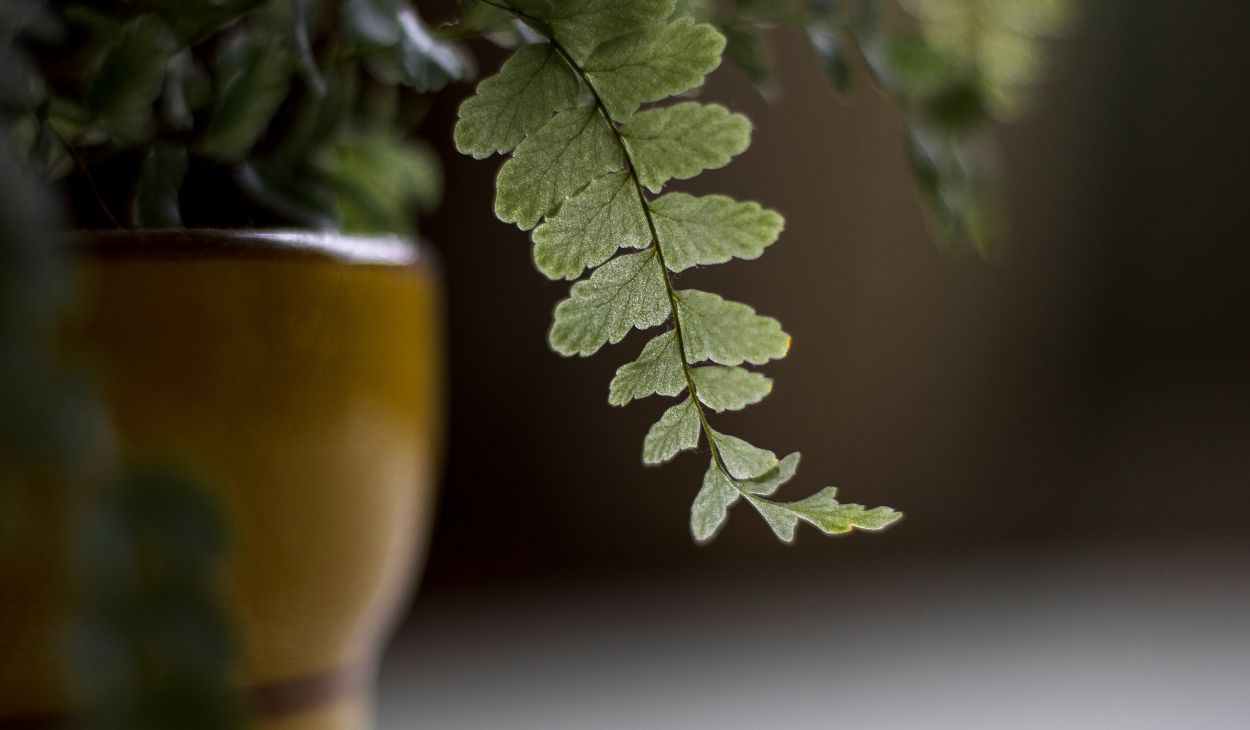
Walk into any beautifully styled home or coffee shop today, and you’ll likely spot a common thread: greenery placed with intention. Aesthetic plants have become a defining feature of modern interior design, turning ordinary corners into visually striking focal points. They aren’t just decoration; they’re a lifestyle choice that blends nature with personal style. This article explores everything you need to know about choosing, styling, and caring for aesthetic plants in your own space.
What Are Aesthetic Plants?
Aesthetic plants are species chosen specifically for their visual appeal, form, and ability to enhance a room’s overall look rather than purely for function or ease of care. They often feature unique leaf shapes, striking colors, or architectural silhouettes that make them stand out as design elements. Unlike ordinary houseplants tucked away on a windowsill, aesthetic plants are positioned deliberately to complement furniture, lighting, and color schemes. In essence, they act as living art pieces that breathe life into interior spaces.
Why Aesthetic Plants Are Trending
The rise of biophilic design, social media inspiration, and a growing desire to reconnect with nature indoors has fueled the popularity of aesthetic plants worldwide. People are spending more time at home and want their surroundings to feel calming, curated, and personal, and plants offer an easy way to achieve that. Platforms like Instagram and Pinterest have also turned plant styling into a visual trend, with certain species becoming symbols of good taste. As a result, aesthetic plants have shifted from a niche hobby into a mainstream design essential.
Top Aesthetic Plants for Home Decor
Not every plant makes the cut when it comes to visual impact, but a handful of species consistently steal the spotlight in stylish interiors. Below are some of the most popular aesthetic plants and what makes each one special.
- Fiddle Leaf Fig – Known for its large, glossy, violin-shaped leaves that add height and drama to any room.
- Monstera Deliciosa – Famous for its distinctive split leaves, making it one of the most photographed aesthetic plants online.
- Snake Plant – Offers sleek, upright leaves that bring a modern, sculptural quality to minimalist spaces.
- Rubber Plant – Features deep green, thick leaves that add richness and texture to interiors.
- String of Pearls – A trailing succulent that adds softness and movement when placed on shelves or hanging planters.
Aesthetic Plants for Different Spaces
Choosing the right aesthetic plants often depends on the room they’ll occupy, since lighting, humidity, and available space all vary. The following breakdown highlights how to match plant choices to specific areas of your home.
Living Room
The living room is usually the centerpiece of a home, making it the perfect spot for statement aesthetic plants like a Fiddle Leaf Fig or a large Monstera. These plants draw the eye and fill empty corners with natural texture and color. Pairing them with woven baskets or ceramic pots enhances the overall aesthetic without overwhelming the space. Since living rooms often have good natural light, they can support larger, more dramatic plant varieties.
Bedroom
Bedrooms benefit from softer, calming aesthetic plants that promote relaxation rather than bold visual statements. Options like the Snake Plant or a small Peace Lily work well because they thrive in lower light and add a peaceful, green touch to the space. Placing plants near a nightstand or windowsill creates a soothing atmosphere without cluttering the room. The goal here is subtle beauty that supports rest rather than commands attention.
Office/Workspace
A workspace filled with aesthetic plants can boost mood, reduce stress, and make long hours at a desk feel more pleasant. Compact varieties like succulents or a small Pothos are ideal since they require minimal maintenance and fit neatly on desks or shelves. Their presence adds a refreshing pop of green that breaks up the monotony of screens and paperwork. Even one well-placed plant can transform a dull office into an inviting environment.
Bathroom
Bathrooms, especially those with natural light and humidity, are surprisingly great spots for aesthetic plants that love moisture, such as ferns or trailing pothos. These plants thrive in steamy conditions and add a spa-like, tropical feel to the space. Hanging planters or small shelves work well for keeping plants off wet surfaces while still showcasing their beauty. This often-overlooked room can become a lush, refreshing retreat with the right greenery.
How to Choose the Right Aesthetic Plants
Selecting aesthetic plants isn’t just about picking whatever looks trendy online; it requires considering your space’s practical conditions too. Keep the following factors in mind before making a purchase.
- Available Light – Match plant light requirements to your room’s natural or artificial lighting conditions.
- Space and Scale – Choose plant sizes proportional to the room, avoiding overcrowding or awkward gaps.
- Maintenance Level – Consider your schedule and pick low-maintenance aesthetic plants if you’re often busy.
- Color and Texture – Select plants whose leaf shapes and tones complement your existing decor palette.
- Pet Safety – If you have pets, prioritize non-toxic aesthetic plants to keep your household safe.
Tips for Styling Aesthetic Plants
Great plant styling goes beyond simply placing a pot in a corner; it’s about creating intentional visual balance throughout a room. Grouping plants of varying heights together can create depth, while odd-numbered clusters often look more natural than even pairs. Choosing planters that match your interior’s color scheme, whether it’s terracotta, ceramic, or woven textures, helps aesthetic plants feel integrated rather than out of place. Lighting also plays a role, since a well-lit plant casts beautiful shadows that enhance the room’s ambiance even further.
Caring for Your Aesthetic Plants
Even the most visually stunning aesthetic plants need proper care to stay healthy and continue looking their best. A few consistent habits can make a significant difference in how your plants thrive over time.
- Watering Routine – Check soil moisture regularly rather than following a rigid schedule, since needs vary by season.
- Proper Drainage – Use pots with drainage holes to prevent root rot and yellowing leaves.
- Regular Dusting – Wipe leaves periodically so aesthetic plants maintain their glossy, vibrant appearance.
- Occasional Feeding – Apply a balanced fertilizer during growing seasons to support healthy growth.
- Rotating Position – Turn plants occasionally so they grow evenly toward light sources.
Common Mistakes to Avoid
Many plant lovers unintentionally sabotage their aesthetic plants through simple, avoidable errors. Overwatering is one of the most common issues, often stemming from good intentions but resulting in root damage and wilting leaves. Placing plants in spots with insufficient light can also cause leggy growth, dulling the very aesthetic appeal you’re trying to achieve. Lastly, ignoring pest signs early on can lead to bigger infestations, so regular inspection is essential to keep aesthetic plants looking their healthiest.
Conclusion
Aesthetic plants offer a simple yet powerful way to transform any living space into a more inviting, stylish, and calming environment. From bold statement pieces in the living room to subtle greenery in the bedroom, there’s an option suited for every corner of your home. By choosing the right species, styling them thoughtfully, and maintaining consistent care, your aesthetic plants can thrive while elevating your interior design for years to come. Whether you’re a seasoned plant parent or just starting out, incorporating aesthetic plants is one of the easiest upgrades you can make to your home’s atmosphere.
FAQs about aesthetic plants
What makes a plant “aesthetic” compared to a regular houseplant?
Aesthetic plants are chosen specifically for their visual impact, such as unique leaf shapes or striking colors, rather than just general greenery.
Do aesthetic plants require more care than regular plants?
Not necessarily, as many popular aesthetic plants like snake plants are actually low-maintenance and beginner-friendly.
Can aesthetic plants survive in low-light apartments?
Yes, several aesthetic plants such as pothos and snake plants thrive in low to medium light conditions.
How many aesthetic plants should I place in one room?
It depends on room size, but grouping two to three plants of varying heights often creates the most balanced look.
Are aesthetic plants safe for homes with pets?
Some are pet-safe, like spider plants, while others such as pothos can be toxic, so always check before buying.