

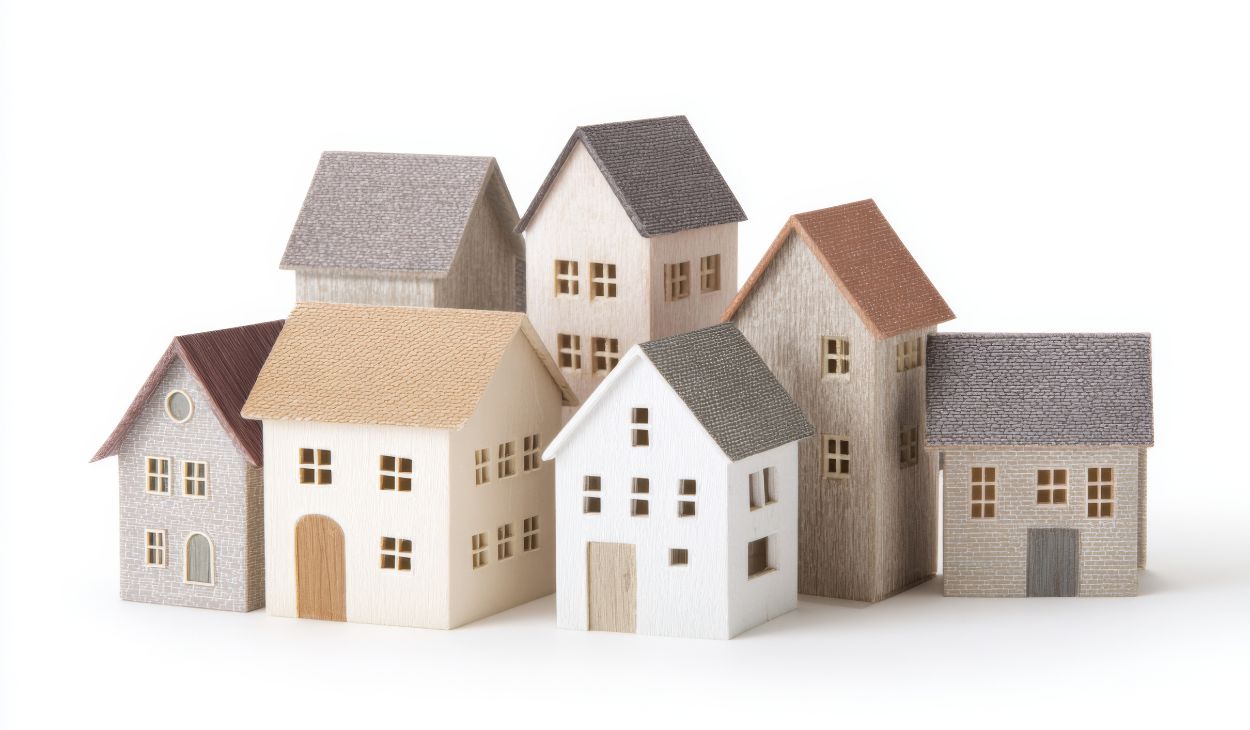
The world of residential housing offers a wide variety of options designed to meet different lifestyles, budgets, family sizes, and personal preferences. From compact apartments in busy urban centers to luxurious mansions on large estates, every home serves a unique purpose. Understanding different house types can help buyers, renters, investors, and homeowners make informed decisions that align with their needs and long-term goals. As housing trends continue to evolve, knowing the characteristics of each house type becomes increasingly valuable.
What Are House Types?
House types refer to the various styles and structures of residential properties available for people to live in. These categories are typically based on factors such as design, size, layout, ownership structure, and location. Different house types provide different levels of privacy, maintenance requirements, and living space. Whether someone prefers a modern city apartment or a spacious suburban home, understanding these categories helps simplify the process of finding the ideal place to live.
Why Understanding House Types Matters
Understanding house types is important because it allows individuals and families to select homes that best fit their lifestyle and financial situation. Each type of housing comes with its own advantages and limitations related to cost, maintenance, privacy, and convenience. By learning about the available options, buyers can avoid costly mistakes and make decisions that support their future housing needs while maximizing comfort and satisfaction.
Detached Houses
Detached houses are standalone residential properties that do not share walls with neighboring homes. They often provide the highest level of privacy and usually include private yards, garages, and larger living spaces. These homes are particularly popular among families who value personal space and outdoor areas. Although detached houses generally cost more than other housing options, they offer greater freedom for customization and expansion.
Semi-Detached Houses
Semi-detached houses consist of two homes joined by a single shared wall while maintaining separate entrances and living spaces. This housing type strikes a balance between affordability and privacy, making it attractive to many homeowners. Semi-detached homes often provide more space than apartments while remaining less expensive than fully detached properties. They are commonly found in suburban neighborhoods and family-oriented communities.
Townhouses
Townhouses are multi-level homes that share one or more walls with adjacent units in a row of similar properties. They are popular in urban and suburban areas because they make efficient use of land while offering more space than many apartments. Townhouses often include small private outdoor areas and multiple floors, providing a practical housing solution for growing families seeking affordability and convenience.
Apartments
Apartments are individual residential units located within larger buildings that contain multiple homes. They are especially common in cities where land is limited and housing demand is high. Apartments offer residents access to shared amenities such as elevators, parking areas, fitness centers, and security services. Their relatively lower maintenance requirements and convenient locations make them a preferred choice for students, professionals, and small families.
Condominiums
Condominiums, often called condos, are similar to apartments but differ in ownership structure. Instead of renting, individuals own their specific unit while sharing ownership of common areas with other residents. Condos frequently offer attractive amenities such as swimming pools, gyms, and landscaped spaces. They appeal to people seeking homeownership without the extensive maintenance responsibilities associated with larger detached properties.
Duplex Houses
A duplex house is a residential building divided into two separate living units, either side by side or on different floors. Each unit usually has its own entrance, kitchen, and living facilities, making duplexes suitable for extended families or rental income opportunities. This housing type provides flexibility and can help owners offset mortgage costs by renting out one of the units while living in the other.
Bungalows
Bungalows are single-story homes known for their practical layouts and accessibility. Their design eliminates the need for stairs, making them particularly suitable for older adults, individuals with mobility challenges, and families with young children. Bungalows often feature spacious rooms and efficient floor plans. Their timeless appeal and ease of maintenance continue to make them a popular housing option in many regions.
Cottages
Cottages are charming, smaller homes often associated with rural, coastal, or countryside settings. They typically feature cozy interiors, traditional architectural elements, and inviting outdoor spaces. Many people choose cottages as vacation homes or peaceful retreats away from busy urban environments. Their unique character and comfortable atmosphere make them appealing to those seeking simplicity and a close connection to nature.
Farmhouses
Farmhouses were originally built to serve agricultural families and support farming activities. Modern farmhouses combine traditional rural charm with contemporary design features, creating comfortable and stylish living environments. These homes are often situated on larger plots of land and include spacious interiors, large porches, and open floor plans. Their blend of practicality and rustic beauty has made them increasingly popular among homeowners.
Tiny Houses
Tiny houses are compact homes designed to maximize functionality within a limited amount of space. They have gained popularity due to growing interest in minimalist living, affordability, and sustainability. Despite their small size, tiny houses often include innovative storage solutions and efficient layouts that make everyday living comfortable. They are ideal for individuals who prioritize financial freedom and a simplified lifestyle.
Mobile Homes
Mobile homes are factory-built residences designed to be transported to a designated site. Modern mobile homes offer many of the comforts found in traditional houses while remaining more affordable. They provide flexible housing options for individuals and families seeking cost-effective homeownership. Advances in construction quality and design have significantly improved the appearance, durability, and comfort of modern mobile homes.
Villas
Villas are spacious and often luxurious residences typically located in scenic, suburban, or resort-style settings. These homes are known for their elegant architecture, expansive living areas, and premium amenities. Villas frequently include private gardens, swimming pools, and outdoor entertainment spaces. Their combination of comfort, privacy, and sophistication makes them highly desirable among homeowners seeking upscale living experiences.
Mansions
Mansions represent some of the largest and most luxurious residential properties available. These homes are characterized by extensive square footage, premium materials, custom architectural designs, and high-end amenities. Features such as home theaters, fitness centers, guest houses, and expansive grounds are commonly found in mansions. They symbolize prestige, exclusivity, and a lifestyle centered on luxury and comfort.
Choosing the Right House Type
Selecting the right house type requires careful consideration of several important factors that influence daily life and long-term satisfaction.
- Budget: Determine how much you can comfortably afford for purchase, maintenance, and utilities.
- Location: Consider proximity to work, schools, healthcare facilities, and transportation.
- Family Size: Choose a home that provides enough space for current and future needs.
- Lifestyle: Think about whether you prefer urban convenience, suburban comfort, or rural tranquility.
- Maintenance Needs: Evaluate how much time and effort you are willing to spend on property upkeep.
By carefully assessing these factors, individuals can identify a house type that supports both their practical requirements and personal preferences.
Conclusion
The variety of house types available today ensures that there is a suitable home for nearly every lifestyle, budget, and personal goal. From apartments and townhouses to villas and mansions, each housing option offers unique advantages that appeal to different individuals and families. Understanding these differences makes the process of buying, renting, or investing in property much easier. By evaluating personal priorities and future needs, anyone can find a home that provides comfort, functionality, and lasting value.
FAQs about house types
What is the most common type of house?
Detached houses are among the most common residential property types in many countries.
Which house type is best for small families?
Townhouses, apartments, and small detached homes are often ideal for small families.
Are condos and apartments the same?
No, condos are individually owned units, while apartments are usually rented from a property owner.
What are the benefits of tiny houses?
Tiny houses offer affordability, lower maintenance costs, and a simpler lifestyle.
Which house type provides the most privacy?
Detached houses generally provide the highest level of privacy because they do not share walls with neighboring properties.