

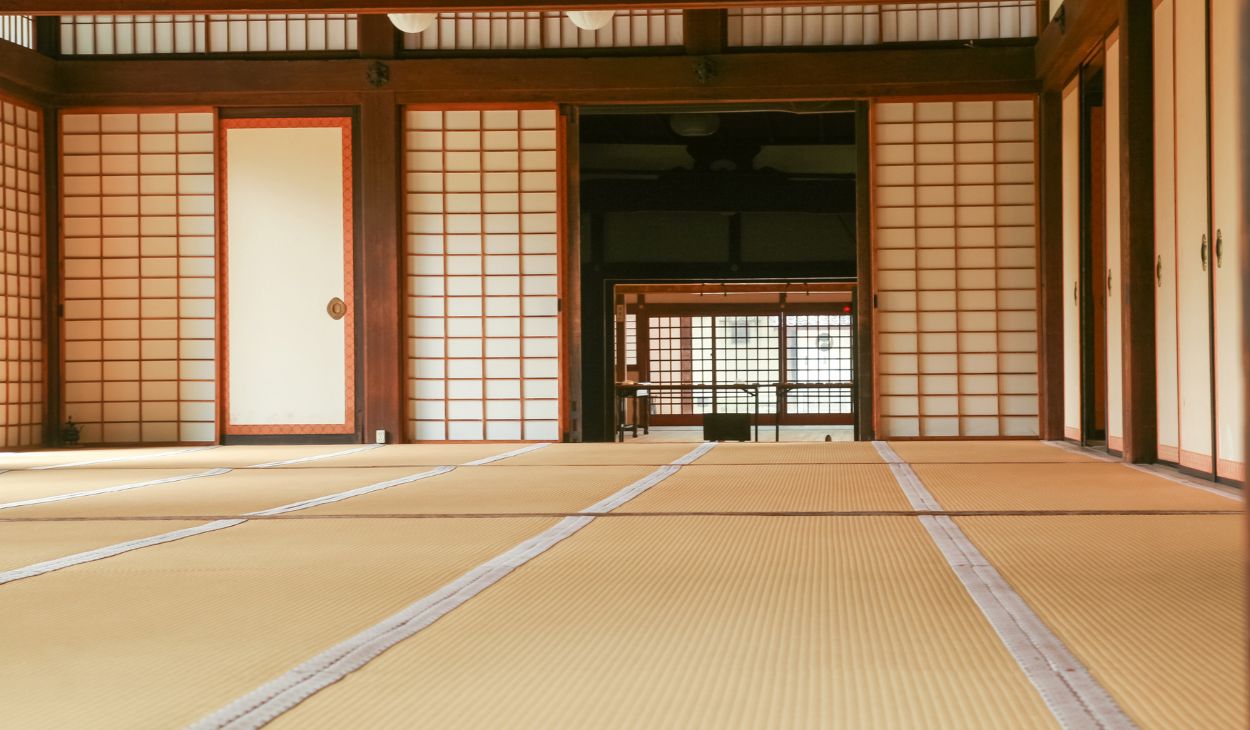
A Japanese living room is more than just a place to sit and relax—it is a carefully designed space that reflects peace, simplicity, and a deep connection with nature. Rooted in traditional Japanese culture and Zen philosophy, this style focuses on creating harmony between people and their surroundings through minimalism and thoughtful design. Every element in the room, from furniture to lighting, is chosen with intention, ensuring that nothing feels unnecessary or overwhelming.
What Is a Japanese Living Room?
A Japanese living room is designed around simplicity, harmony, and functionality rather than excessive decoration. Every piece of furniture, decoration, and lighting has a purpose, creating a calm environment that promotes relaxation. Unlike many modern interiors filled with numerous accessories, Japanese spaces embrace minimalism and allow open areas to become part of the overall design. Clean lines, natural textures, and balanced layouts create an atmosphere that feels peaceful from the moment you enter the room. The goal is not to impress with luxury but to provide comfort and mindfulness through thoughtful design choices that never feel overwhelming.
The History Behind Japanese Interior Design
Japanese interior design has evolved over centuries, influenced by traditional architecture, Zen philosophy, and a close relationship with nature. Homes were originally built using locally available materials such as bamboo, wood, rice paper, and straw, making sustainability an essential part of everyday life long before it became a global trend. Sliding doors, tatami flooring, and low-profile furniture reflected practical living while encouraging families to connect with their surroundings. Even today, many modern Japanese homes continue to preserve these timeless ideas by blending traditional craftsmanship with contemporary comfort, resulting in interiors that feel both classic and relevant.
Core Principles of Japanese Living Rooms
A successful Japanese living room follows several timeless design principles that work together to create balance and serenity. Rather than focusing on expensive furniture or elaborate decoration, the emphasis remains on thoughtful planning and intentional living.
Simplicity
Minimal furniture, uncluttered surfaces, and carefully selected décor define the principle of simplicity. Instead of filling every corner, Japanese interiors celebrate empty space because it provides visual rest and creates a feeling of openness that makes even smaller rooms appear larger.
Balance
Balance is achieved through symmetry, proportion, and thoughtful placement of furniture. Nothing dominates the room, and every element complements the others, creating an environment where the eye moves comfortably without distraction.
Natural Beauty
Natural materials, soft colors, and organic textures help connect indoor spaces with the outdoors. Wood grain, linen fabrics, stone accents, and indoor greenery all contribute to a warm and authentic atmosphere that never feels artificial.
Essential Furniture for a Japanese Living Room
Furniture in a Japanese living room is intentionally low in height, encouraging a grounded and relaxed lifestyle. Low coffee tables, floor cushions, simple sofas, and compact wooden cabinets provide comfort without overwhelming the room. Multi-functional furniture is especially valued because it saves space while maintaining a clean appearance. Every piece is selected based on usefulness and craftsmanship rather than decorative complexity, making quality far more important than quantity. This approach creates interiors that remain timeless despite changing design trends.
Choosing the Right Color Palette
Color plays a significant role in establishing the peaceful atmosphere associated with Japanese interiors. Neutral shades such as white, cream, beige, warm gray, taupe, and soft brown dominate the palette because they reflect natural surroundings. Gentle greens inspired by plants and muted earthy tones add subtle contrast without becoming visually overwhelming. Darker accents, including charcoal or black, are used sparingly to provide definition while preserving the room’s overall sense of calm. The result is a balanced environment that feels bright, welcoming, and relaxing throughout the day.
Natural Materials That Define the Style
Wood remains the foundation of Japanese interior design because it introduces warmth, texture, and authenticity into every room. Bamboo, linen, cotton, stone, ceramic, and woven grasses complement wooden surfaces by adding natural variation without disrupting the minimalist aesthetic. These materials age gracefully, often becoming even more beautiful over time. Their subtle imperfections contribute character, reminding homeowners that beauty exists in authenticity rather than perfection. This philosophy helps create living spaces that feel timeless instead of temporary.
Lighting Ideas for a Calm Atmosphere
Lighting should feel soft and layered rather than harsh or overly bright. Large windows maximize natural daylight during the day, while paper lanterns, warm LED lighting, and minimalist floor lamps provide a relaxing ambiance after sunset. Indirect lighting reduces glare and creates gentle shadows that enhance the room’s textures and architectural details. Instead of making lighting the focal point, Japanese design uses it to quietly support the peaceful character of the space, allowing comfort to remain the primary experience.
Traditional Japanese Decorative Elements
Decoration is kept meaningful and intentional rather than excessive. Popular decorative features include handcrafted ceramic vases, bonsai trees, calligraphy artwork, woven baskets, paper lanterns, and simple wall scrolls. Before adding accessories, consider whether each item contributes to the room’s harmony or merely occupies space.
- Shoji screens provide flexible room division while allowing natural light to pass through.
- Tatami mats introduce traditional texture and comfort.
- Bonsai trees symbolize patience, balance, and nature.
- Ceramic pottery adds handcrafted elegance.
- Minimal artwork creates visual interest without overwhelming the walls.
Modern Japanese Living Room Design
Modern Japanese interiors successfully combine traditional values with contemporary lifestyles. Comfortable sofas, sleek entertainment units, hidden storage, and modern lighting are carefully integrated without sacrificing simplicity. Technology remains present but visually discreet, often concealed behind cabinetry or incorporated into clean architectural lines. This blend allows homeowners to enjoy modern convenience while preserving the calming atmosphere that defines Japanese living spaces. The result feels sophisticated, practical, and welcoming rather than overly minimal or cold.
Japandi Style Explained
Japandi combines Japanese minimalism with Scandinavian functionality, creating one of today’s most popular interior design styles. Both traditions value craftsmanship, natural materials, neutral colors, and uncluttered living. Scandinavian warmth softens Japanese restraint, while Japanese simplicity prevents Scandinavian interiors from becoming visually busy. Together they create homes that feel elegant, cozy, and highly functional. Japandi demonstrates that beauty comes from thoughtful design decisions rather than expensive decoration, making it suitable for homes of every size.
Flooring Options
Wooden flooring remains the preferred choice because it complements nearly every element of Japanese design. Light oak, ash, maple, or bamboo flooring creates warmth while maintaining a bright appearance. Traditional tatami mats can be incorporated into seating areas or meditation corners for added authenticity. Area rugs should remain understated, featuring subtle textures and neutral colors that blend naturally with surrounding furniture. Keeping the floor visually clean reinforces the sense of openness that defines the overall design philosophy.
Storage Solutions
Clutter disrupts the peaceful feeling of a Japanese living room, making efficient storage essential. Built-in cabinets, floating shelves, hidden compartments, and multifunctional furniture help organize belongings without creating visual noise. Storage should remain simple, accessible, and integrated into the architecture whenever possible. Instead of displaying every possession, only meaningful items should remain visible while everyday necessities stay neatly concealed. This approach makes cleaning easier and contributes to a consistently calm environment.
Indoor Plants for Japanese Living Rooms
Plants strengthen the connection between indoor spaces and nature, making them an essential part of Japanese interiors. Choose species with elegant shapes and manageable maintenance requirements.
- Bonsai offers timeless Japanese symbolism.
- Snake Plant adds architectural structure.
- Peace Lily introduces graceful greenery.
- Bamboo Palm enhances natural texture.
- Fiddle Leaf Fig provides a contemporary statement without overwhelming the room.
Creating a Zen Corner
A dedicated Zen corner provides a quiet retreat for reading, meditation, or simple reflection. A comfortable floor cushion, a small wooden table, a candle, and a carefully selected plant may be all that is needed. Keeping the area uncluttered encourages mindfulness and helps separate moments of relaxation from everyday responsibilities. Even a small apartment can accommodate such a space, proving that tranquility depends more on thoughtful planning than available square footage.
Common Mistakes to Avoid
Many homeowners unintentionally move away from authentic Japanese design by adding excessive decorations or choosing furniture that is too large. Bright colors, crowded shelves, oversized artwork, and numerous decorative accessories can quickly disrupt the room’s peaceful balance. Mixing too many design styles also reduces visual harmony. Instead, focus on restraint, quality materials, and intentional choices that allow every element to contribute to the room’s overall serenity rather than competing for attention.
Budget-Friendly Decorating Tips
Creating a Japanese living room does not require an expensive renovation because the philosophy emphasizes simplicity over luxury. Start by decluttering existing furniture, repainting walls in neutral tones, and introducing natural materials through affordable accessories. Replacing heavy curtains with lighter fabrics, adding indoor plants, and selecting handcrafted decorative pieces gradually transforms the room without exceeding your budget. Small, consistent improvements often produce more authentic results than purchasing numerous trendy decorations at once.
Conclusion
A Japanese living room offers much more than beautiful interior design—it represents a lifestyle centered on balance, mindfulness, and intentional living. By embracing natural materials, neutral colors, functional furniture, and uncluttered layouts, any home can become a peaceful retreat from everyday stress. Whether you prefer traditional Japanese interiors or modern Japandi influences, the underlying principles remain the same: simplicity, harmony, and respect for nature. When every design choice supports comfort and calmness, the living room becomes more than a place to sit—it becomes a sanctuary that improves daily life.
FAQs about Japanese Living Room
What colors work best in a Japanese living room?
Neutral shades like white, beige, gray, cream, and natural wood tones create the most authentic look.
Is Japanese interior design suitable for small homes?
Yes, its minimalist approach makes small spaces feel larger and more organized.
What furniture is commonly used in Japanese living rooms?
Low-profile tables, simple sofas, floor cushions, and wooden storage units are commonly used.
Can I combine Japanese and Scandinavian design?
Yes, the Japandi style successfully blends both aesthetics into one harmonious interior.
Are indoor plants important in Japanese living rooms?
Yes, plants strengthen the connection with nature and enhance the calming atmosphere.