

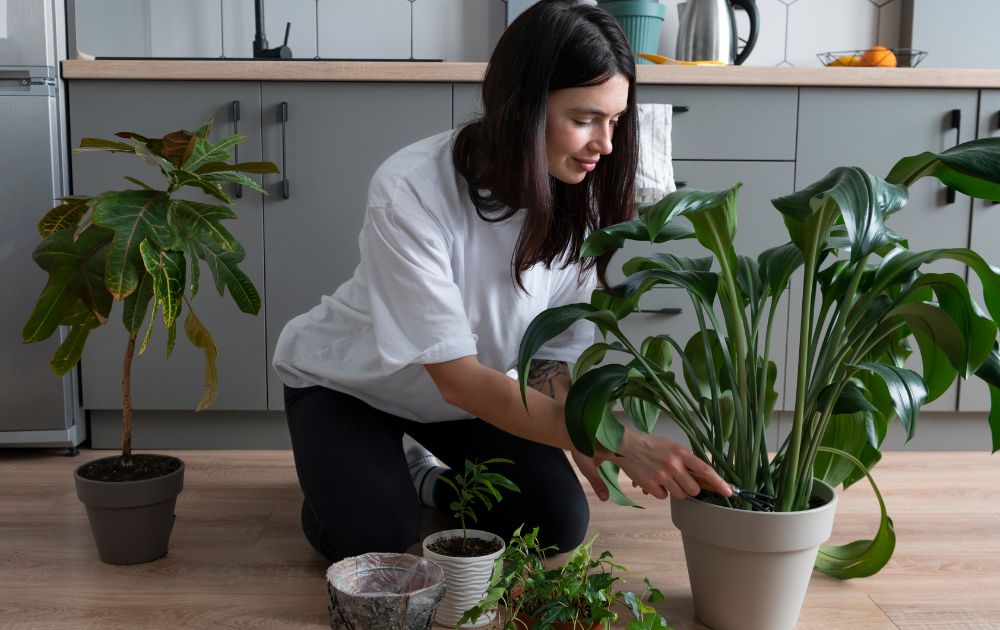
Indoor plants can make a home feel calmer, greener, and more welcoming. But if you are looking for a houseplant to clean air, it helps to know what plants can realistically do. Some popular houseplants have been studied for their ability to interact with certain airborne chemicals, especially in controlled laboratory environments. In a normal home, however, plants should be considered a pleasant addition to good indoor-air habits rather than a replacement for ventilation or air filtration. The best approach is to choose attractive, easy-care plants while also keeping your home well ventilated and reducing pollution sources.
Can Houseplants Really Clean the Air?
Yes, houseplants can interact with certain airborne pollutants, but their air-cleaning effect in a normal home is limited. Plants such as snake plants, spider plants, pothos, and peace lilies can add greenery and freshness to your space, but they should not replace proper ventilation or air purifiers. For healthier indoor air, combine houseplants with regular cleaning, good airflow, and moisture control.
What Does the Research Say
Laboratory studies have shown interesting results, but later research suggests that you would need an unrealistic number of plants to achieve major air purification in a typical room. Plants are therefore best viewed as part of a comfortable indoor environment, not as a substitute for an air purifier.
Why Indoor Air Quality Matters
Indoor air can contain dust, smoke, cooking particles, cleaning-product chemicals, pollen, and other pollutants. The EPA recommends focusing on source control, ventilation, and filtration to improve indoor air quality.
Common Indoor Air Pollutants
Common indoor air pollutants include dust, smoke, pet dander, pollen, cooking fumes, cleaning chemicals, and volatile organic compounds (VOCs) released by paints, furniture, and household products. Excess moisture can also encourage mold and other biological pollutants. Keeping your home clean, well ventilated, and properly maintained can help reduce these pollutants and create a fresher indoor environment.
Best Houseplant to Clean Air
If you want greenery that is traditionally associated with air-cleaning research, several popular choices are worth considering. Snake plants, spider plants, pothos, peace lilies, and rubber plants are attractive and relatively easy to grow indoors.
How Do Houseplants Affect Indoor Air?
Plants naturally exchange gases through their leaves and interact with their growing environment. Their roots and surrounding microorganisms may also participate in processes involving certain airborne compounds, although the effect in a normal home is relatively limited..
Houseplants vs. Air Purifiers
A houseplant and an air purifier serve very different purposes. A properly selected air purifier is specifically designed to move air through filtration media, while a plant’s natural processes are slower and less predictable.
| Feature | Houseplants | Air Purifier |
| Adds greenery | Yes | No |
| Removes some particles | Limited | Yes, with suitable filtration |
| Helps with certain VOCs | Possible in controlled conditions | Depends on filter |
| Requires care | Yes | Requires maintenance |
| Replaces ventilation | No | No |
For measurable air-quality improvement, ventilation, source control, and suitable filtration are more reliable options.
How Many Plants Do You Need?
There is no fixed number of plants you need to improve the feel of your indoor space. A few healthy plants can add freshness, natural beauty, and a calming atmosphere to your home. Instead of filling every room with plants, choose varieties that match your available space, light, and care routine. Keeping plants healthy is more important than having a large collection. For a balanced home, start with two or three easy-care plants and add more as needed.
Quality Matters More Than Quantity
When choosing houseplants, quality matters more than quantity because healthy plants are more likely to thrive and enhance your home. A few strong, well-cared-for plants can create a more beautiful and refreshing space than many struggling ones. Look for plants with healthy leaves, strong roots, and no signs of pests or disease. Choosing the right plants for your space also makes care easier and more enjoyable. In the long run, investing in quality plants can save you time, effort, and money.
How to Care for Air-Cleaning Houseplants
Air-cleaning houseplants need simple, consistent care to stay healthy and effective. Place them where they receive the right amount of indirect sunlight, and water them when the soil feels slightly dry. Avoid overwatering, as excess moisture can cause root problems. Wipe the leaves regularly to remove dust and help them absorb light efficiently. With proper light, watering, and occasional feeding, your plants can remain fresh, green, and beautiful.
Can Too Many Houseplants Cause Problems?
Yes, having too many houseplants can sometimes create problems in your home. A crowded space may reduce airflow and make plants more likely to develop pests, mold, or fungal issues. Too many plants can also make it difficult to provide each one with the right amount of light and water. Keeping a balanced number of plants makes care easier and helps your home stay fresh and comfortable.
Best Places to Put Houseplants
The best places to put houseplants are near windows where they can receive the right amount of natural light. Living rooms, bedrooms, kitchens, and home offices can all benefit from a touch of greenery. Choose bright spots for sun-loving plants and shaded areas for varieties that prefer indirect light. Shelves, side tables, window ledges, and empty corners are great options for displaying plants. Make sure the location is easy to access so you can water and care for your plants regularly.
Simple Ways to Improve Indoor Air Quality
Improving indoor air quality can make your home feel fresher, cleaner, and more comfortable. Start by opening windows regularly to allow fresh air to circulate and reduce indoor pollutants. Keep houseplants healthy and dust surfaces often to minimize allergens and airborne particles. Using an air purifier and changing HVAC filters regularly can also help remove dust, odors, and other pollutants. Finally, avoid smoking indoors and choose low-VOC cleaning products for a healthier living environment.
Control Indoor Moisture
Keeping indoor moisture at a comfortable level helps your houseplants grow healthy and prevents problems such as mold, mildew, and root rot. Use a humidifier when the air is too dry, especially during winter. Avoid overwatering plants and make sure rooms have good airflow. Check the soil before watering and allow excess water to drain properly. A balanced indoor environment creates healthier conditions for both plants and your home.
Improve Ventilation
Good ventilation helps fresh air circulate throughout your home while reducing excess moisture, odors, and stuffiness. Open windows regularly or use exhaust fans in kitchens and bathrooms to improve airflow. Proper ventilation can also help your houseplants grow healthier by preventing stagnant, humid conditions. Make sure plants have enough space around them for air to move freely. This simple step can create a fresher and more comfortable indoor environment.
Keep Your Home Clean
Keeping your home clean can help reduce dust, dirt, and other particles that may affect indoor air quality. Regularly dust furniture, clean floors, and wash bedding to prevent pollutants from building up. Vacuuming carpets and rugs can also help remove accumulated dust and allergens. Keep your houseplants clean by gently wiping dusty leaves when needed. A clean and well-maintained home, combined with proper ventilation, can create a fresher and more comfortable indoor environment.
Choosing the Right Houseplant for Your Home
Choosing the right houseplant can make your home feel fresh, cozy, and inviting. Consider the amount of natural light available in each room before selecting a plant. Low-light plants are ideal for darker spaces, while sun-loving varieties work well near bright windows. You should also think about the plant’s size, care needs, and your daily routine. With the right choice, a houseplant can beautifully complement your home while being easy to maintain.
Conclusion
A houseplant to clean air can bring beauty and natural character into your home, but it should not be treated as a powerful air purifier. Scientific research supports the ability of plants to interact with certain pollutants, particularly under controlled conditions, but ordinary houseplants are unlikely to remove enough pollution from a typical home to replace ventilation or filtration.
FAQs About houseplant to clean air
1. What is the best houseplant to clean air?
Snake plants, spider plants, pothos, peace lilies, and rubber plants are popular choices.
2. Do houseplants really purify air?
They can interact with some pollutants, but their effect in normal homes is limited.
3. Can plants replace an air purifier?
No. Air purifiers are specifically designed to filter indoor air and are more suitable for reducing airborne particles.
4. How many plants should I have?
There is no proven number. Choose plants based on your available space and ability to care for them.
5. Are snake plants good indoor plants?
Yes. Snake plants are attractive, low-maintenance, and suitable for many indoor environments.