

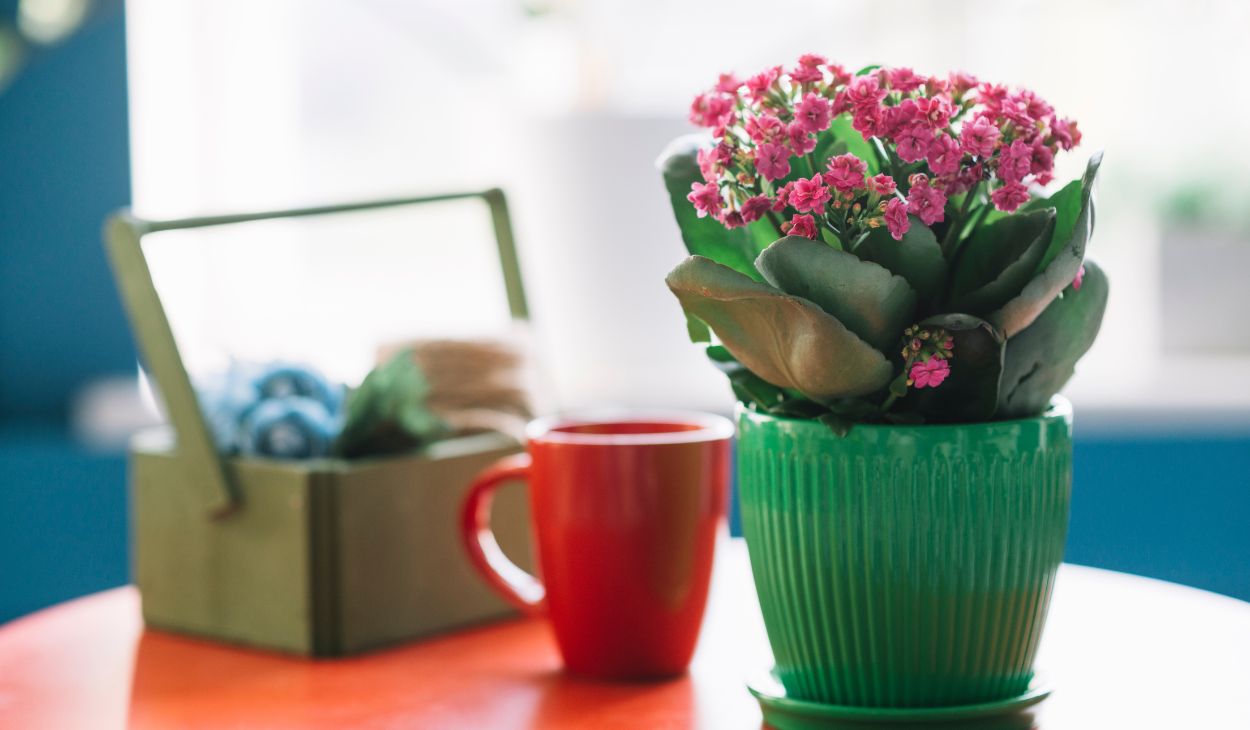
If your living room feels a little flat, colourful house plants might be exactly what it needs. Unlike traditional green foliage, these plants bring shades of pink, purple, red, and silver right into your everyday space. They turn ordinary corners into eye-catching focal points without requiring a single can of paint. Whether you’re a plant newbie or a seasoned collector, colourful house plants offer an easy way to add personality to any room.
Why Choose Colourful House Plants
People are drawn to colourful house plants because they do double duty: purifying the air while looking like living art. A single vibrant plant can transform a dull shelf or windowsill into something worth photographing. Beyond aesthetics, caring for colourful house plants has been linked to reduced stress and improved mood, making them more than just decoration. They’re also a great conversation starter when guests notice your unusual leaf patterns and hues.
Popular Types of Colourful House Plants
There’s a wide variety of colourful house plants to choose from, each with its own personality and care level. Below are some crowd favourites that consistently impress plant lovers.
- Calathea – Known for its striking striped and painted leaf patterns in green, pink, and purple.
- Croton – Offers a fiery mix of red, orange, and yellow foliage that looks almost tropical.
- Fittonia (Nerve Plant) – Features delicate pink or white veins running through deep green leaves.
- Tradescantia (Purple Heart) – Trails beautifully with rich purple stems and leaves.
- Polka Dot Plant – Covered in speckled pink, red, or white spots for a playful look.
How to Care for Colourful House Plants
Light Requirements
Most colourful house plants need bright, indirect light to keep their pigments vivid and healthy. Too little light often causes the colours to fade back to plain green as the plant tries to compensate. On the other hand, direct harsh sunlight can scorch delicate leaves, especially on varieties like Calathea and Fittonia. Finding that balanced spot near an east or north-facing window usually works best.
Watering Needs
Colourful house plants generally prefer consistent moisture without sitting in soggy soil. Overwatering is one of the most common mistakes, often leading to root rot and dull, drooping leaves. A simple rule is to check the top inch of soil and water only when it feels dry to the touch. Using a pot with proper drainage makes this process much easier to manage.
Soil and Fertilizing
A well-draining potting mix rich in organic matter helps colourful house plants thrive and maintain their vibrant tones. Adding perlite or orchid bark to standard potting soil improves aeration and prevents waterlogging. Light monthly feeding during spring and summer with a balanced liquid fertilizer supports steady, colourful growth. Avoid over-fertilizing, as excess nutrients can actually dull leaf pigmentation over time.
Best Placement Ideas for Colourful House Plants
Placement plays a huge role in how well colourful house plants perform and how much impact they have visually. Grouping a few different varieties together on a shelf creates a striking mini indoor garden. Placing them near neutral-coloured walls or furniture allows their colours to really pop without visual competition. Bathrooms and kitchens with good natural light are also great spots, thanks to the added humidity many of these plants enjoy.
Common Mistakes to Avoid
Even enthusiastic plant owners can accidentally harm their colourful house plants through a few avoidable habits. Being aware of these common pitfalls can save your plants from unnecessary stress and colour loss.
- Overwatering – Leads to root rot and mushy, discoloured leaves.
- Low light exposure – Causes vibrant patterns to fade into plain green.
- Skipping humidity – Dry indoor air can cause crispy, browning leaf edges.
- Ignoring pests – Spider mites and mealybugs often target colourful, tender foliage.
- Using the wrong pot size – Oversized pots trap excess moisture around the roots.
Benefits of Colourful House Plants Beyond Aesthetics
Colourful house plants do far more than beautify a space; they actively improve indoor air quality by filtering out common toxins. Having them around has also been shown to boost focus and creativity, making them ideal for home offices. Their unique appearance often encourages people to spend more time nurturing a hobby, which can be genuinely therapeutic. In short, colourful house plants offer a simple, rewarding way to enhance both your home and your wellbeing.
Conclusion
Colourful house plants are a simple yet powerful way to bring life, texture, and personality into any home. With the right light, watering routine, and placement, these vibrant plants can thrive for years while consistently turning heads. From bold Crotons to delicate Fittonias, there’s a colourful house plant suited to every space and skill level. Start small, stay consistent, and watch how a few colourful house plants can completely transform the feel of your home.
FAQs about Colourful House Plants
Do colourful house plants need more care than green plants?
Generally yes, since their pigmentation is more sensitive to light and watering inconsistencies.
Can colourful house plants survive in low light rooms?
Most will survive, but their colours tend to fade without adequate bright, indirect light.
Are colourful house plants safe for pets?
Some varieties, like Croton, can be toxic to pets, so it’s best to check each species individually.
How often should I water colourful house plants?
Water only when the top inch of soil feels dry, which is usually once or twice a week.
Why are my colourful house plants losing their colour?
This is typically caused by insufficient light or excess fertilizer affecting pigment production.