

When people talk about the average door width, they usually mean the standard measurement used across most homes and buildings for interior and exterior doors. In the United States, this figure typically falls between 30 and 36 inches, depending on the door’s purpose and location. Builders rely on this average door width to keep construction consistent and to make sure doors, frames, and hardware fit together without custom modifications. Knowing this baseline is the first step toward choosing the right door for any space.
Standard Interior Door Width
The average door width for interior doors usually sits around 30 to 32 inches, which comfortably fits most bedrooms, closets, and hallways. This size allows enough room for furniture and people to pass through without feeling cramped. Some homeowners opt for slightly narrower doors in smaller spaces like pantries or laundry rooms, while larger rooms may use wider doors for a more open feel. Sticking close to this average door width also keeps interior doors compatible with standard frames sold at most hardware stores.
Standard Exterior Door Width
Exterior doors tend to be wider than interior ones, with the average door width for front entry doors ranging from 36 to 42 inches. This extra width accommodates foot traffic, moving furniture, and accessibility needs more effectively than a narrower door would. Front doors are often the widest doors in a home since they serve as the main entry point and first impression for visitors. Builders generally recommend staying near this average door width to balance security, insulation, and ease of use.
Average Door Width by Room Type
Different rooms often call for slightly different door sizes based on how the space is used and how much traffic it receives. Understanding the average door width for each room type can help homeowners and builders plan more efficiently.
- Bedrooms: Typically use doors around 30 to 32 inches wide for privacy and comfortable passage.
- Bathrooms: Often slightly narrower, around 24 to 28 inches, to save space in smaller rooms.
- Closets: Usually range from 24 to 30 inches, depending on whether they’re sliding or hinged doors.
- Garages: Pedestrian garage doors average around 32 to 36 inches wide.
Average Door Width for Different Door Types
Beyond room placement, the type of door itself plays a major role in determining its width. Sliding, French, and pocket doors all have their own typical size ranges that differ from standard hinged doors.
- Single hinged doors: The most common type, averaging 30 to 36 inches wide.
- French doors: Usually sold in pairs, each panel averaging 24 to 36 inches for a combined opening.
- Sliding doors: Often wider, ranging from 60 to 72 inches for patio-style installations.
- Pocket doors: Typically match standard interior widths, around 24 to 32 inches.
Factors That Affect Door Width
Several practical factors influence what the average door width ends up being in a specific building. Local building codes, accessibility requirements, and the intended use of the room all play a part in this decision. For example, doors required to meet accessibility standards, such as those under the Americans with Disabilities Act, must be at least 32 inches of clear width. Architectural style and personal preference also shape the final choice, especially in custom-built homes where standard sizing isn’t always the priority.
Average Door Width in Different Countries
The average door width isn’t universal, and it can vary noticeably depending on where you are in the world. In the United States and Canada, interior doors average around 30 to 32 inches, while exterior doors run wider. In the United Kingdom and much of Europe, metric measurements are used instead, with standard doors averaging around 762 to 838 millimeters. These regional differences matter for anyone importing doors, renovating older properties, or working on international construction projects.
How to Measure Door Width Correctly
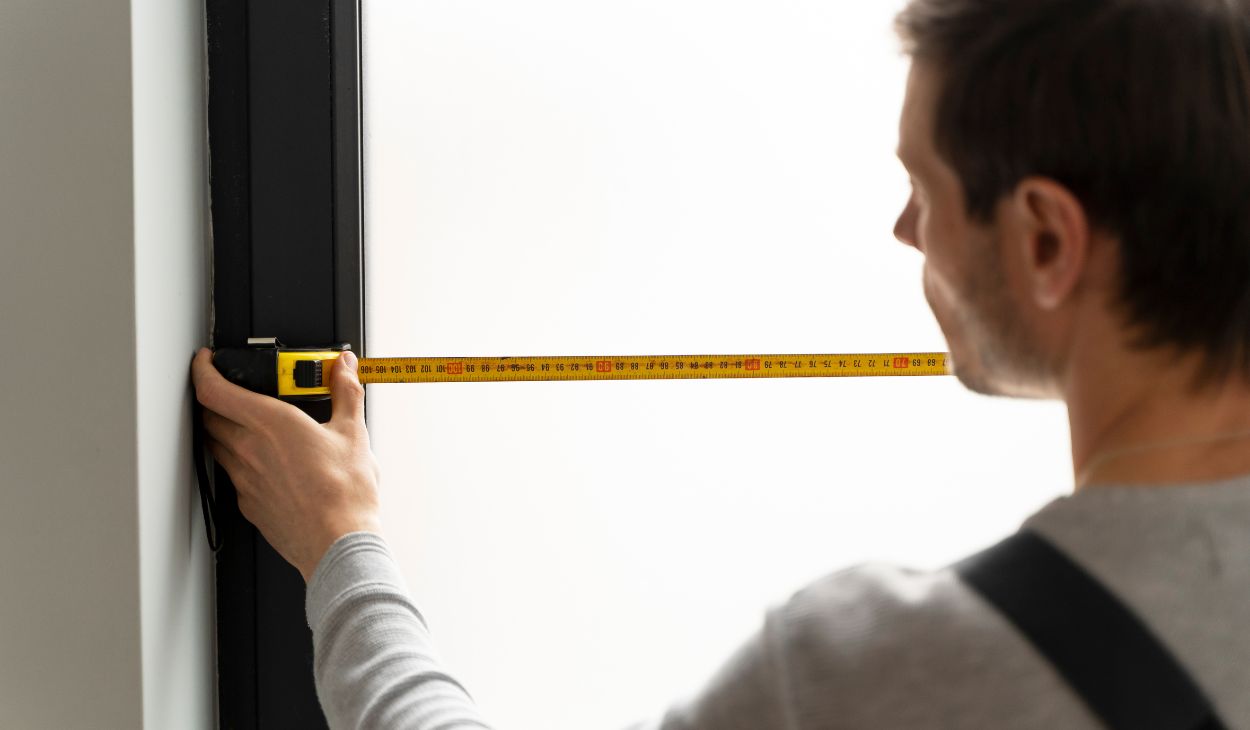
Measuring a door accurately is essential before making any purchase or renovation decision, especially when comparing against the average door width. Start by measuring the width of the door slab itself, not including the frame, at three points: top, middle, and bottom. Use the smallest measurement to account for any warping or inconsistency in the wood. This method ensures a proper fit and helps avoid costly mistakes when ordering replacement doors or new installations.
Average Door Height and Width Combined
While width gets most of the attention, door height matters just as much when evaluating overall size and proportion. The average door width of 30 to 36 inches typically pairs with a standard height of 80 inches, forming the most common door dimensions in residential construction. Some modern homes now favor taller doors, around 84 to 96 inches, paired with the same average door width for a more dramatic look. Keeping these two measurements balanced ensures doors look proportionate and function properly within their frames.
Why Average Door Width Matters
Understanding the average door width isn’t just a technical detail; it directly affects comfort, accessibility, and functionality in everyday life. A door that’s too narrow can make moving furniture difficult or create accessibility issues for wheelchair users and people with mobility aids. On the other hand, oversized doors can waste wall space and increase material costs unnecessarily. Sticking close to established averages helps strike the right balance between practicality and design.
Common Mistakes When Choosing Door Width
Many homeowners run into avoidable problems by overlooking key details related to the average door width during renovations or new builds. Being aware of these common pitfalls can save time, money, and frustration down the line.
- Ignoring accessibility codes: Choosing widths below 32 inches can violate accessibility requirements in certain spaces.
- Not accounting for door swing: Wider doors need more clearance space to open fully.
- Overlooking furniture needs: Narrow doors can make moving large items nearly impossible.
- Mismatching interior and exterior sizes: Inconsistent widths can look awkward and affect resale value.
FAQ’s about Average Door Width
What is the average door width for a house?
The average door width for most homes ranges between 30 and 36 inches, depending on interior or exterior use.
Is 30 inches a standard door width?
Yes, 30 inches is one of the most common standard widths for interior doors.
What is the average door width for wheelchair accessibility?
Accessible doors typically require a minimum clear width of 32 inches.
How wide is a standard front door?
Most front doors average between 36 and 42 inches wide.
Do closet doors have a different average width?
Yes, closet doors are often narrower, averaging around 24 to 30 inches.