Indoor plants bring life, color, and freshness into any home, but not every room receives bright sunlight throughout the day. Many people struggle to keep plants alive in apartments, offices, bedrooms, and other spaces with limited natural light. Fortunately, low light houseplants are specially adapted to thrive in these conditions, making it easy to enjoy greenery even in darker corners of your home.
What Are Low Light Houseplants?
Low light houseplants are indoor plants that can survive and grow in areas with minimal sunlight. These plants naturally originate from forest floors and shaded environments where direct sunlight is limited. Because they have adapted to lower light conditions, they can maintain healthy growth without requiring bright windows or intense exposure to the sun. This makes them ideal for modern homes, offices, and indoor spaces where natural light may be restricted.
Why Choose Low Light Houseplants?
Many homeowners choose low light houseplants because they are easy to care for and highly adaptable. Unlike sun-loving plants that need several hours of direct light daily, these plants can flourish in shaded locations while still adding beauty and freshness to the environment. They are perfect for busy individuals, beginners, and anyone looking to improve indoor aesthetics without investing significant time in plant maintenance.
Benefits of Growing Low Light Houseplants
Low light houseplants offer several advantages beyond their attractive appearance.
- Improve indoor air quality by helping remove certain pollutants from the environment.
- Enhance home décor with natural greenery and vibrant foliage.
- Reduce stress levels by creating a calming and relaxing atmosphere.
- Require minimal maintenance compared to many other indoor plants.
- Adapt well to various rooms including offices, bedrooms, and hallways.
Snake Plant
The Snake Plant is one of the most popular low light houseplants because of its durability and striking appearance. Its upright leaves feature beautiful patterns and can tolerate neglect better than most indoor plants. This plant requires very little watering and performs exceptionally well in low-light environments, making it an excellent choice for beginners who want a reliable and attractive indoor plant.
ZZ Plant

The ZZ Plant is known for its glossy green leaves and remarkable ability to thrive in difficult indoor conditions. It can tolerate low light, irregular watering, and varying temperatures, making it one of the easiest houseplants to maintain. Its elegant appearance adds sophistication to any room while requiring very little effort from the owner, making it ideal for busy lifestyles.
Pothos
Pothos is a versatile trailing plant that grows well in low light and is highly valued for its decorative vines. The plant can be displayed in hanging baskets, shelves, or containers where its cascading foliage creates a beautiful visual effect. It grows quickly, requires minimal care, and remains healthy even when lighting conditions are less than ideal, making it a favorite among indoor gardeners.
Peace Lily
The Peace Lily is admired for its lush green foliage and elegant white flowers. Although it can tolerate low light conditions, it performs best with indirect light and regular watering. This plant is often chosen for its decorative appeal and ability to bring a sense of freshness and tranquility to indoor spaces. Its graceful appearance makes it suitable for both homes and professional environments.
Cast Iron Plant
The Cast Iron Plant has earned its name because of its incredible toughness and resilience. It can survive in low light, tolerate inconsistent watering, and withstand conditions that would challenge many other houseplants. Its broad, dark green leaves create a classic and sophisticated look, making it a dependable option for people who want a low-maintenance indoor plant.
Chinese Evergreen
Chinese Evergreen is a beautiful houseplant known for its colorful foliage and adaptability. Available in various shades of green, silver, and red, it adds visual interest to indoor spaces while thriving in low-light conditions. This plant requires minimal attention and remains attractive throughout the year, making it a practical choice for both beginners and experienced plant enthusiasts.
Spider Plant

Spider Plants are popular for their arching leaves and easy-care nature. They adapt well to different indoor conditions and can tolerate low light while continuing to grow successfully. Their ability to produce baby plants adds extra charm and allows plant owners to propagate new plants easily. This combination of beauty and simplicity makes them a timeless favorite.
Caring for Low Light Houseplants
Although low light houseplants are relatively easy to maintain, proper care is still important for healthy growth. Most of these plants prefer well-draining soil and moderate watering schedules. Overwatering is one of the most common mistakes that can lead to root problems, so it is essential to allow the soil to dry slightly between watering sessions. Regular dusting of leaves and occasional fertilization can also support long-term plant health.
Common Mistakes to Avoid
Many people assume that low light houseplants require no light at all, but this misconception can lead to poor growth and unhealthy plants. Even shade-tolerant species need some level of indirect light to survive. Another common mistake is excessive watering, which often causes root rot and other issues. Understanding the specific needs of each plant helps ensure better results and healthier indoor greenery.
Best Places to Keep Low Light Houseplants
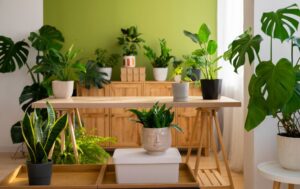
Low light houseplants can be placed in various areas of the home where sunlight is limited. Bedrooms, hallways, offices, bathrooms, and corners away from windows are often suitable locations. Choosing the right placement allows these plants to enhance the appearance of a room while benefiting from the available indirect light. Proper positioning also helps maintain healthy growth and prolongs the life of the plant.
How Low Light Houseplants Improve Indoor Living
Adding low light houseplants to indoor spaces can significantly improve the overall atmosphere of a home or workplace. Their presence creates a more inviting environment, adds natural beauty, and helps establish a stronger connection with nature. Even a few carefully selected plants can transform a dull room into a more vibrant and welcoming space while requiring minimal effort to maintain.
Conclusion
Low light houseplants are an excellent solution for anyone who wants to enjoy indoor greenery without needing bright sunlight. Their adaptability, attractive appearance, and low-maintenance nature make them suitable for a wide range of homes and offices. Whether you choose a Snake Plant, ZZ Plant, Peace Lily, or Chinese Evergreen, these resilient plants can bring lasting beauty and freshness to even the darkest indoor spaces.
FAQs about Low Light Houseplants
What is the best low light houseplant for beginners?
Snake Plant is considered one of the easiest and most beginner-friendly low light houseplants.
Can low light houseplants survive without sunlight?
No, they still need some indirect or artificial light to grow properly.
How often should I water low light houseplants?
Most low light houseplants should be watered only when the top layer of soil becomes dry.
Are low light houseplants suitable for offices?
Yes, many low light houseplants thrive in office environments with limited natural light.
Do low light houseplants help improve indoor air quality?
Many low light houseplants can contribute to cleaner and fresher indoor air.