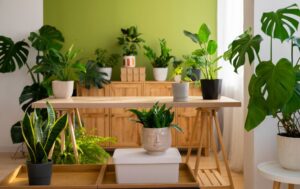
The Complete Guide to Monstera Plant Care

July 30, 2026
Written By Alan

Hi, I’m Alan, a passionate home and gardening enthusiast and the creator of HousePlanting. 

The monstera plant is a tropical vine native to the rainforests of Central America, prized for its large, glossy leaves that develop distinctive natural splits and holes as they mature. This unique leaf pattern, known as fenestration, is what gives the monstera plant its nickname “Swiss cheese plant.” Over the past decade, the monstera plant has become one of the most sought-after houseplants worldwide, gracing everything from Instagram feeds to interior design magazines. Its dramatic foliage and relatively easy care requirements make it a favorite among both beginner and experienced plant parents.

Popular Types of Monstera Plant

There are several varieties of monstera plant, each offering its own unique charm and growth pattern. The most common is the Monstera deliciosa, known for its large fenestrated leaves and occasional edible fruit in the right climate. The Monstera adansonii, often called the Swiss cheese vine, has smaller, more delicate leaves covered in oval-shaped holes, making it perfect for hanging baskets. For collectors seeking something rarer, the variegated monstera plant, with its striking white or yellow patches, has become a highly prized addition to any indoor jungle.

Ideal Growing Conditions

Light Requirements

A monstera plant thrives best in bright, indirect sunlight, ideally near an east or west-facing window where it receives filtered light throughout the day. Direct sunlight can scorch the leaves, leaving unsightly brown patches that detract from the plant’s natural beauty. On the other hand, too little light will cause the monstera plant to grow leggy, with smaller leaves and fewer of the signature splits. Rotating the pot occasionally helps ensure even growth on all sides.

Watering Needs

Overwatering is one of the most common mistakes people make when caring for a monstera plant, often leading to root rot and yellowing leaves. The best approach is to water deeply only when the top two inches of soil feel dry to the touch, which usually means once every one to two weeks. During winter months, the monstera plant requires even less frequent watering since its growth naturally slows down. Always ensure the pot has adequate drainage to prevent water from pooling at the roots.

Soil and Potting Mix

A well-draining, chunky potting mix is essential for keeping a monstera plant healthy, as it mimics the loose, organic soil found in its native rainforest habitat. A blend of regular potting soil, perlite, and orchid bark works exceptionally well to promote airflow around the roots. This type of soil prevents waterlogging while still retaining enough moisture to keep the monstera plant satisfied between waterings. Many growers also add a handful of charcoal to help filter out impurities and reduce odor.

Temperature and Humidity

The monstera plant flourishes in warm, humid environments that closely resemble its tropical origins, ideally between 65°F and 85°F. High humidity levels, ideally above 60%, encourage larger leaves and more pronounced fenestrations over time. In drier climates or during winter heating season, misting the leaves or using a humidifier can significantly benefit the monstera plant’s overall health. Sudden temperature drops or cold drafts should be avoided, as they can stress the plant and slow its growth.

Fertilizing Your Monstera Plant

Feeding a monstera plant regularly during the growing season helps support its rapid leaf production and vine expansion. A balanced liquid fertilizer, diluted to half strength, applied once a month from spring through early autumn works best for most indoor setups. Fertilizing should be paused entirely during the colder months, as the monstera plant naturally enters a dormant phase and won’t need the extra nutrients. Over-fertilizing can cause salt buildup in the soil, so it’s always better to underfeed than overdo it.

Propagating a Monstera Plant

Propagation is one of the most rewarding aspects of owning a monstera plant, allowing you to expand your collection or share cuttings with friends. Below are the simple steps to successfully propagate this popular houseplant.

  • Select a healthy stem: Choose a stem with at least one node and an aerial root, as this is where new roots will form.
  • Make a clean cut: Use sterilized scissors or shears to cut just below the node, minimizing stress on the parent monstera plant.
  • Root in water or soil: Place the cutting in a jar of water or directly into moist soil, keeping it in bright, indirect light.
  • Wait for roots to develop: New roots typically appear within two to four weeks, after which the cutting can be potted normally.

Repotting Guidelines

As a monstera plant grows, it will eventually outgrow its container and require repotting into a larger pot, usually every one to two years. Signs that repotting is needed include roots poking out of drainage holes or the soil drying out unusually fast. When repotting, choose a container just one or two sizes larger than the current one to avoid overwhelming the monstera plant with excess soil. Spring is generally the best time to repot, as the plant is entering its active growing season and will recover quickly from the transition.

Common Pests and Problems

Even a well-cared-for monstera plant can occasionally run into pest infestations or growth issues that require attention. Knowing what to look for can help you catch problems early before they cause lasting damage.

  • Spider mites: These tiny pests cause fine webbing and speckled leaves, often thriving in dry indoor conditions.
  • Mealybugs: Appearing as white, cottony clusters, mealybugs suck sap from the plant and weaken new growth.
  • Yellowing leaves: Usually a sign of overwatering, though it can also indicate a lack of nutrients in older monstera plant specimens.
  • Brown leaf edges: Often caused by low humidity, inconsistent watering, or excess fertilizer buildup in the soil.

Benefits of Growing a Monstera Plant

Beyond its striking appearance, a monstera plant offers several practical benefits that make it worth the investment. Like many houseplants, it helps purify indoor air by filtering out common toxins and increasing oxygen levels in the room. Caring for a monstera plant has also been linked to reduced stress and improved mood, as tending to greenery provides a calming, mindful activity. Its bold, architectural leaves also make it an effortless way to elevate the aesthetic of any home or office space.

Conclusion

The monstera plant remains a beloved choice for plant enthusiasts thanks to its stunning foliage, manageable care routine, and adaptability to indoor environments. Whether you’re a first-time plant owner or a seasoned collector, understanding its light, water, and humidity needs will set you up for long-term success. With a little patience and consistent care, your monstera plant will reward you with lush, dramatic leaves for years to come. Start your own monstera plant journey today and watch it transform any space into a vibrant, tropical retreat.

FAQs about monstera plant

Is a monstera plant toxic to pets?

Yes, the monstera plant contains calcium oxalate crystals that are mildly toxic to cats and dogs if ingested.

How fast does a monstera plant grow?

Under ideal conditions, a monstera plant can grow one to two new leaves per month during the growing season.

Can a monstera plant live outdoors?

A monstera plant can thrive outdoors in warm, humid climates but must be brought indoors before temperatures drop below 50°F.

Why are the leaves on my monstera plant not splitting?

Leaves typically fail to split due to insufficient light or the plant simply being too young.

How big can a monstera plant get indoors?

Indoors, a monstera plant can reach heights of six to ten feet with proper support and care.

Leave a Comment